How to Source Electric Car Recharge Stations Globally?
Sourcing Electric Car Recharge Stations globally is no longer a simple equipment-buying exercise. It requires careful decisions about charging speed, connector standards, software compatibility, installation conditions, and long-term maintenance. The International Energy Agency’s Global EV Outlook 2024 reported more than 4 million public charging points worldwide by the end of 2023. It also noted that public charger additions increased by almost 40% that year. Demand is accelerating, but supply quality remains uneven.
The market is highly regional. China has built the largest public charging network, while Europe and North America follow different connector, payment, and certification requirements. The IEA also expects public charging capacity to expand substantially by 2035 under stated policy scenarios. That growth creates opportunities for manufacturers, distributors, fleet operators, and property owners. It also creates purchasing risks. A low-cost charger may fail in extreme heat, coastal humidity, or poorly serviced locations. Small details matter. Cable length matters. Firmware support matters. So does uptime.
This guide explains how to identify reliable suppliers and compare Electric Car Recharge Stations across global markets. It considers factory experience, product testing, technical documentation, warranty coverage, spare-parts access, and after-sales response times. Reports from the IEA, the International Organization for Standardization, and regional transport authorities can support better decisions. Yet no report replaces site validation. A supplier’s published performance may not match field conditions. That is worth questioning. Buyers should request installation references, independent test evidence, cybersecurity information, and realistic total-cost calculations before signing contracts. The strongest sourcing strategy combines verified data with local expertise, practical trials, and continuous review.
Define Electric Vehicle Charging Station Types and Use Cases
When sourcing electric car recharge stations globally, define the charging type before comparing suppliers. AC charging suits homes, offices, hotels, and long-stay parking. It usually charges vehicles more slowly, but installation can be simpler and operating costs may remain manageable. A parking space with an overnight vehicle needs a different solution from a roadside stop.
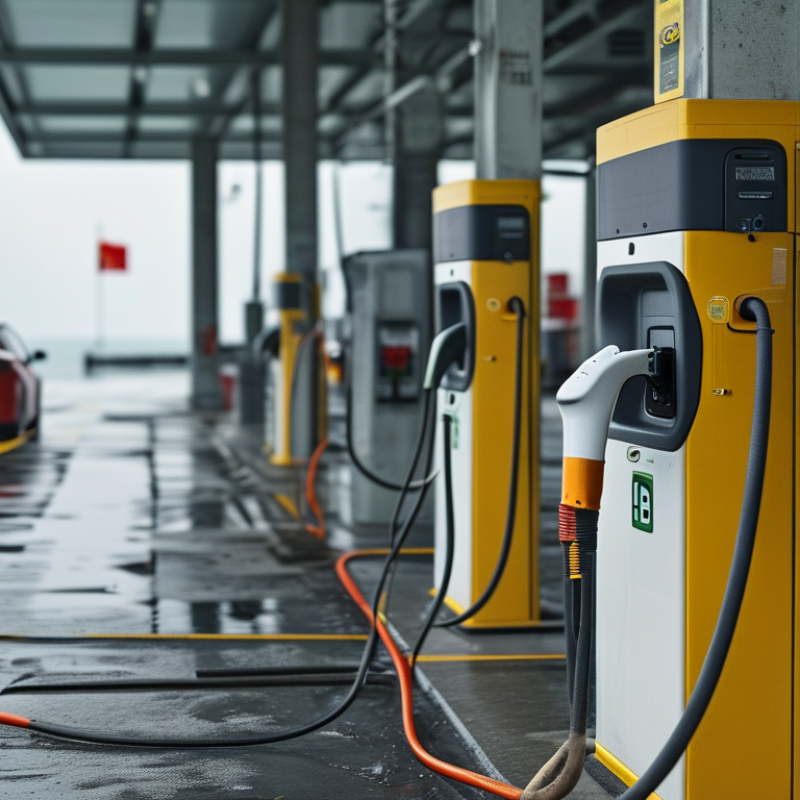
DC fast charging serves highways, taxi depots, fleet yards, and busy urban locations. It can deliver substantial energy within a short stop, yet it demands stronger grid capacity, thermal control, and careful maintenance planning. High-power systems may require site upgrades, protective equipment, and trained technicians. Speed is useful, but excessive capacity can become an expensive idle asset.
Public stations also need weather-resistant housings, clear status displays, payment access, and reliable remote monitoring. Workplace sites may need load management when many vehicles connect together. Residential projects often prioritize compact design and safe installation. I would verify connector compatibility, output stability, warranty coverage, spare-part access, and local certification before placing a global order. Specifications can look impressive on paper. Field performance may differ. A supplier’s test report is valuable, but real installation references reveal more. In some regions, network connectivity is still inconsistent, so offline operation deserves attention.
Set Global Sourcing Requirements and Technical Specifications
Global sourcing begins with measurable technical requirements, not a supplier shortlist. The IEA’s Global EV Outlook 2024 reported more than four million public charging points worldwide in 2023. That growth increases procurement pressure and compatibility risks. Define charger output, input voltage, frequency, connector type, communication protocol, enclosure rating, operating temperature, and cable length. Reference IEC 61851 and IEC 62196 where applicable. Require test reports, factory inspection records, cybersecurity controls, and traceable component information.
A global specification should also reflect local grid conditions. A 22 kW AC unit may suit one market, but overload another site’s limited connection. For DC equipment, measure continuous power, cooling performance, efficiency, and charging stability. Specify uptime targets, response times, spare-part availability, warranty periods, and remote diagnostic access. OCPP compatibility can reduce software dependency, but it does not guarantee perfect interoperability. Our early sourcing plans often overvalued peak power and underestimated service training. That mistake is expensive.
Tips: Build a country-by-country requirement matrix. Record voltage, connector rules, weather exposure, payment functions, installation practice, and certification needs. Ask suppliers for independent laboratory evidence, not only internal claims. Pilot several units in hot, cold, wet, and low-voltage conditions. The IEA data shows rapid infrastructure expansion, yet field reliability remains uneven. Leave room for revision after real-world testing. A perfect specification is unrealistic. A reviewable one is safer.
Evaluate International Suppliers, Certifications, and Manufacturing Capacity
Global sourcing of electric car recharge stations requires more than comparing prices. The IEA’s Global EV Outlook 2024 reports over four million public charging points worldwide at the end of 2023. Public charging stock grew by almost 40% that year. This expansion increases pressure on suppliers to deliver consistently, not merely quickly.
Evaluate each supplier’s certifications, testing records, and factory capacity. Request evidence for IEC 61851 safety compliance and ISO 15118 communication support where advanced vehicle-to-charger functions matter. Regional market access may also require separate conformity assessments. Inspect production lines, calibration records, burn-in procedures, and spare-parts storage. Ask for monthly output, current utilization, and failure rates from comparable projects. A large factory can still miss deadlines. I have seen capacity claims that excluded cables, power modules, or final testing. That gap deserves attention. IEA data shows that fast-charging deployment is accelerating, but grid conditions and installation quality remain uneven.
Tips: Build a supplier scorecard with certification validity, audited capacity, component traceability, warranty response, and delivery history. Require sample testing before volume orders. Visit the factory when possible. Check whether certificates match the exact model, connector, and software version. Do not accept a certificate copied from another product. Keep two qualified suppliers for critical regions, although this may increase early costs. Procurement teams should also review cybersecurity controls and update policies. These details are easy to postpone, and that is often the mistake.
Compare Costs, Logistics, Installation Support, and Warranty Terms
Global sourcing for electric car recharge stations requires more than comparing equipment prices. The International Energy Agency’s Global EV Outlook 2024 reports over four million public charging points worldwide in 2023. Demand is expanding quickly. A realistic cost comparison must include hardware, freight, customs duties, local certification, civil works, grid connection, software, and taxes. A cheaper charger may need expensive transformer upgrades or longer construction permits.
Logistics often decide the final budget. Check delivery terms, port handling, spare-parts locations, and temperature protection during shipment. A coastal project may need sealed cabinets, while a cold region needs tested cable flexibility. The U.S. National Renewable Energy Laboratory notes that installation costs vary widely with site preparation and electrical capacity. Request a site-specific estimate, not a catalog price. An overlooked 60-metre trench can change the project economics.
Installation support should specify remote diagnostics, commissioning, technician response times, and training for local electricians. Warranty language deserves equal attention. Separate coverage for the charger, connector, screen, payment module, and labor. Ask whether replacement parts include shipping and whether downtime extends the warranty. The International Council on Clean Transportation has linked reliable public charging with user confidence and network utilization. Reliability matters more than impressive peak power. In practice, procurement teams sometimes accept vague service promises. That is a mistake worth revisiting. Require measurable uptime targets, documented exclusions, and regional references before signing.
Manage Compliance, Deployment, and Long-Term Station Performance
Sourcing electric car recharge stations globally requires more than comparing hardware prices. Compliance must be checked before procurement. Requirements differ across markets, covering electrical safety, connector standards, accessibility, cybersecurity, and personal-data protection. IEC 61851 and IEC 62196 support international compatibility, while local grid codes and construction permits remain decisive. The IEA’s Global EV Outlook 2024 reports more than four million public charging points worldwide at the end of 2023. It also records over 1.3 million new public points added that year. Scale is accelerating.
Deployment planning should begin with actual traffic patterns. A highway site needs power capacity, weather protection, lighting, and safe vehicle movement. An apartment site needs load management and predictable overnight access. Procurement teams should request installation drawings, protection settings, software interfaces, spare-parts lists, and documented commissioning tests. Avoid vague promises. They age badly. In the United States, federal NEVI standards require funded chargers to maintain 97% uptime, showing how availability is becoming a measurable procurement obligation. Other regions may use different definitions, so contracts should clearly define downtime, response times, and excluded events.
Long-term performance depends on monitoring, not installation alone. Track successful charging sessions, connector temperature, payment failures, repair duration, and energy delivered monthly. Remote diagnostics can identify repeated faults before drivers report them. However, dashboards can hide poor user experiences. A station may appear online while its cable is damaged. Independent inspections still matter. The Global EV Outlook also highlights rapidly rising charging demand, making weak maintenance increasingly costly. Build lifecycle budgets for firmware updates, network fees, calibration, weather damage, and eventual component replacement. A cheaper station can become expensive when support is distant or documentation is incomplete. That risk deserves a deliberate review.