Top 10 EV Chargers in China for Global Buyers?
China is rapidly becoming a leader in electric vehicle (EV) technology. With the demand for EVs soaring, the EV charger market is booming. Experts like Dr. Jane Chen, a leading figure in the energy sector, emphasize the importance of quality in this space. “The right EV charger can make all the difference for drivers," she states.
The collection of top EV chargers in China reflects innovation and efficiency. These products are designed to meet various consumer needs. The options available vary in speed, compatibility, and additional features. There is immense competition among manufacturers, which drives quality improvements. Finding reliable sources remains a challenge, as some products might not meet high standards.
To navigate this evolving landscape, global buyers must approach the market carefully. Evaluating chargers based on performance and safety can be overwhelming. However, being informed guarantees better choices. As Dr. Chen advises, “Consumers should prioritize chargers with proven reliability.” This guidance highlights the necessity for trust in product selection.
Overview of the Chinese EV Charging Market
The Chinese EV charging market is rapidly evolving. As of 2023, China has over 2.5 million public charging points. This makes it a leading country in the EV charging infrastructure sector. A report by Bloomberg New Energy Finance highlights that China accounted for 54% of global electric vehicle sales in 2022. This trend drives the demand for robust charging solutions.
However, the charging experience can vary widely. Many users report issues like long wait times and inconsistent charging speeds. The Chinese government is working to standardize these systems. Yet, challenges remain in managing the grid demand. According to the National Energy Administration, peak charging times can strain local power grids.
Market projections show that the demand for chargers will continue to grow. By 2030, annual charger installations may exceed 1 million units. This potential underscores the need for innovation. Addressing user pain points will be crucial. Charger accessibility and user-friendly interfaces are essential for wider adoption.
Top 10 EV Chargers in China for Global Buyers
This chart represents the charging speeds of various EV charger models available in China. The data showcases the performance capabilities of these chargers, which can assist global buyers in evaluating options for their electric vehicle infrastructure needs.
Top 10 EV Chargers for Global Buyers in China
As the electric vehicle (EV) market expands in China, global buyers are increasingly interested in the country's charging solutions.
The rapid growth of EV infrastructure has resulted in diverse charger types that cater to different needs.
This range includes fast chargers for quick pit stops and home chargers that are user-friendly for everyday use.
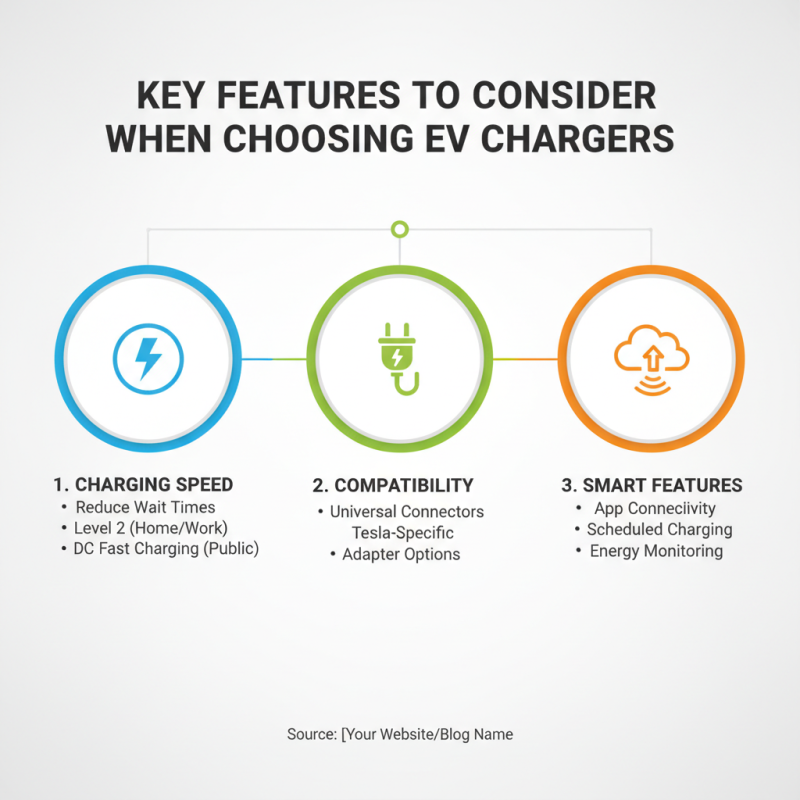
Many chargers now feature smart technology, allowing users to monitor charging from their smartphones.
This convenience plays a crucial role in enhancing the user experience.
However, global buyers must consider their local requirements carefully. Compatibility is vital; not all chargers will work seamlessly with every EV model.
Research indicates that charger availability varies significantly across regions.
In more populated areas, options are abundant, but rural zones present challenges.
Buyers often find that installation costs can fluctuate.
It's essential to assess the long-term benefits of a charging station against initial expenses.
Selecting the right charging solution can be a complex process for international buyers seeking reliable options in China.
Comparative Analysis of Leading EV Charger Brands
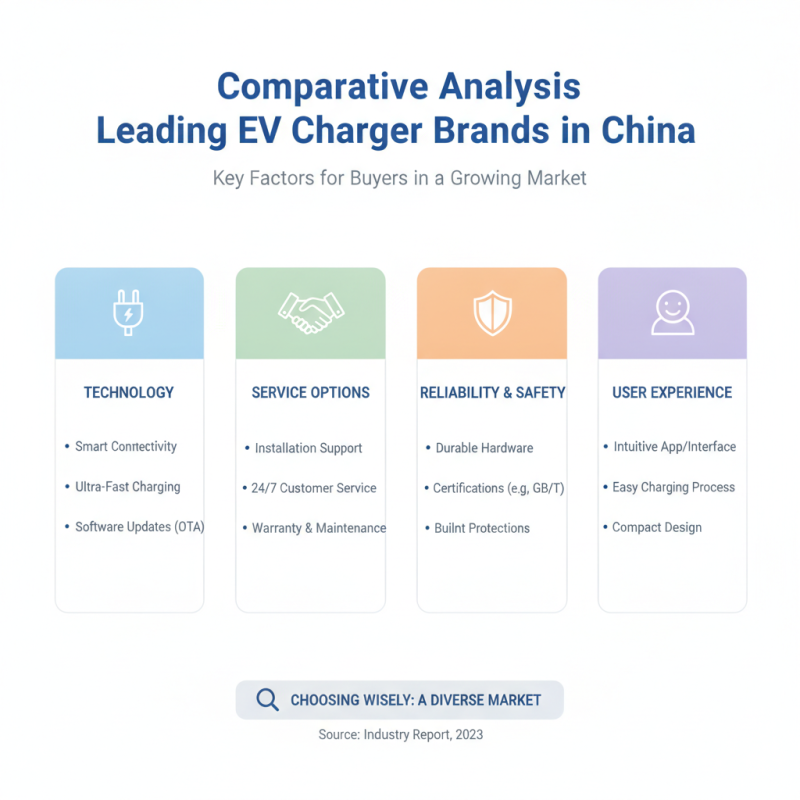
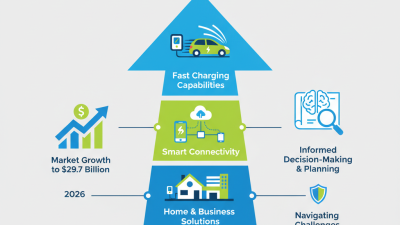
In the rapidly expanding EV market in China, a diverse range of charger brands stands out. These brands vary not only in technology but also in service options. Innovative features, like smart connectivity and fast charging capabilities, are critical. Buyers look for reliability and user-friendly interfaces. Understanding the differences can be overwhelming.
Some brands excel in rapid charging solutions, promising convenience for drivers on the go. Meanwhile, others focus on sustainable practices, integrating renewable energy sources into their chargers. Performance metrics such as charging speed and compatibility with different EV models often guide buyers. However, many brands still struggle with user support and installation challenges. This inconsistency prompts potential buyers to rethink their choices.
Comparative analysis reveals that pricing is also a crucial factor. Many consumers may face a trade-off between cost and quality. Some chargers seem affordable but may fall short in durability. Conversely, premium options can lead to better performance but at a significantly higher price. This landscape leaves buyers needing to weigh the benefits versus their investment carefully. Evaluating these different aspects is essential for making informed decisions.
Future Trends in China's EV Charger Development
The electric vehicle (EV) charger market in China is rapidly evolving. As of 2023, China boasts over 1.9 million public charging stations, according to a report by the China Electric Vehicle Charging Infrastructure Promotion Alliance. This extensive network reflects strong government support and increasing consumer demand. The market is poised for significant growth, with projections estimating annual installations will reach 1 million by 2025.
Consumer preferences are shifting as well. Research indicates that ultra-fast chargers, capable of delivering 300 kilowatts or more, are gaining traction. These chargers can significantly reduce charging times, aligning with user expectations for convenience. However, challenges remain. Many regions still face infrastructure gaps, leading to uneven availability of charging stations. Additionally, the integration of smart technology within charging systems is an area for improvement. Industry experts emphasize the need for greater standardization and interoperability.
Looking ahead, sustainable energy sources will play a critical role in charger development. Current trends show a growing emphasis on solar-powered charging solutions. This shift could reduce reliance on non-renewable energy, addressing concerns about the environmental impact. Nevertheless, the transition is complex and requires substantial investment and collaboration among stakeholders. The path forward might be uncertain, but it is essential for fostering a robust EV ecosystem in China.
Top 10 EV Chargers in China for Global Buyers
| Rank |
Charger Type |
Power Output (kW) |
Charging Time (0-80%) |
Connector Type |
Network Compatibility |
| 1 |
DC Fast Charger |
150 |
30 minutes |
CCS2 |
Open Charge Point Protocol |
| 2 |
AC Charger |
22 |
4-6 hours |
Type 2 |
Local Network |
| 3 |
Ultra-Fast Charger |
350 |
20 minutes |
CCS1 |
Global Roaming |
| 4 |
Mobile Charger |
7.2 |
8-10 hours |
Type 1 |
Standalone |
| 5 |
Public Charge Station |
50 |
1 hour |
Combo 2 |
City Network |
| 6 |
Home Charging Station |
22 |
4-6 hours |
Type 2 |
Private Network |
| 7 |
Workplace Charger |
22 |
4-6 hours |
Type 2 |
Corporate Network |
| 8 |
Fleet Charging System |
100 |
2 hours |
Multiple Connectors |
Fleet Network |
| 9 |
Smart Charger |
11 |
6-8 hours |
Type 2 |
Wi-Fi Network |
| 10 |
Solar Charging Station |
10 |
8-10 hours |
Type 2 |
Off-Grid Network |