

Wall Mounting EV Charge Station
China Top AC Portable EV Charger Manufacturers?
China is a major source of electric vehicle charging equipment, but manufacturers differ in design, testing, and customer support. An Ac Portable Ev Charger supplies AC power to a vehicle, while the car’s onboard charger manages the conversion. That distinction matters. Buyers should compare connector options, rated current, input plugs, cable length, and built-in safety protections. A compact unit may suit home storage or travel, yet its practical value depends on compatibility with the vehicle and available power supply.
This guide explores how to assess Chinese manufacturers without treating a product catalog as proof of quality. Look for clear technical data, documented testing, traceable quality-control processes, and certifications relevant to the intended market. Ask about production capacity, customization, warranty terms, replacement parts, and after-sales response times. Details count: a firm plug fit, readable status display, and cable that remains manageable in a cold garage can affect daily use. Looks can mislead. A polished website does not establish consistent manufacturing, and a low quotation may leave important support unanswered. Where possible, verify specifications with product samples and independent documentation. No single supplier will fit every buyer; this comparison should help readers ask sharper questions before making contact.
What Defines an AC Portable EV Charger?
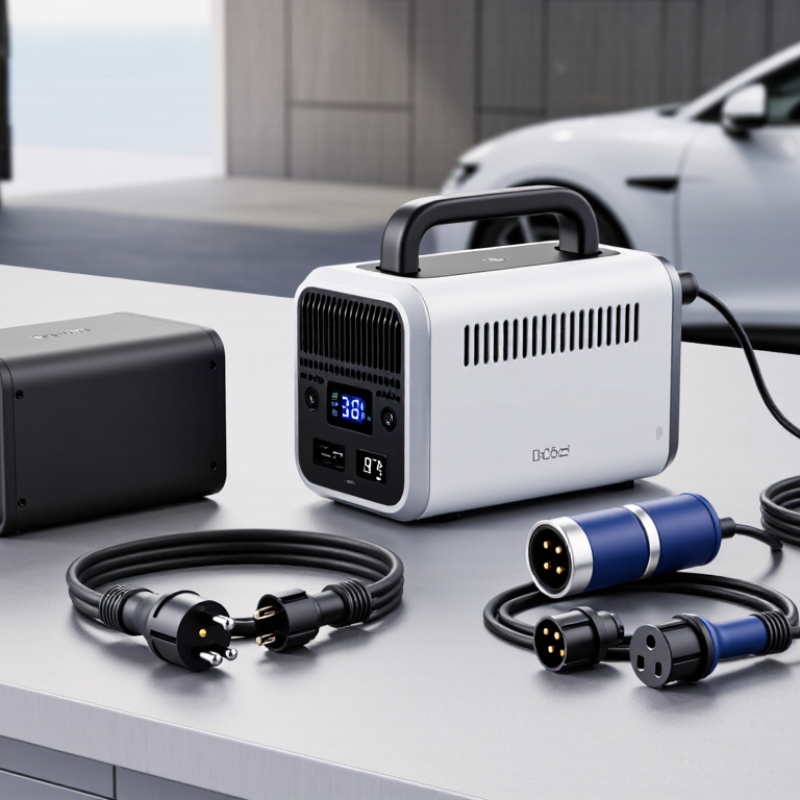
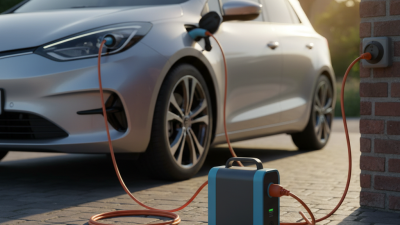
An AC portable EV charger is a mobile charging unit that connects a suitable power outlet to an electric vehicle. It supplies AC electricity and communicates with the car. The vehicle’s onboard charger then converts that power into DC for the battery. That distinction matters. A portable unit is not a battery charger in the usual sense; it is a controlled link between the outlet and the vehicle.
Key features include the input plug, supported voltage and current, vehicle connector, cable length, and protection against faults such as overheating or excess current. Charging speed depends on the outlet, the unit, and the vehicle’s onboard charger. A higher rated unit will not make every car charge faster. Labels can be confusing, so specifications should be checked against the vehicle manual and the actual power supply. Small, but important.
Tips: Check that the plug matches the outlet and that the circuit can support the unit’s rated current. Look for clear status indicators and temperature monitoring. If the outlet feels hot, stop charging and have the setup inspected. A longer cable may seem convenient, but it can add weight and make storage awkward.
China’s Portable EV Charging Industry and Its Key Manufacturers
China’s portable EV charging industry benefits from a large domestic electric-vehicle market and a deep electrical-components supply chain. The China Association of Automobile Manufacturers reported 9.495 million new-energy vehicle sales in 2023. That figure includes battery-electric and plug-in hybrid vehicles, so it does not measure demand for portable AC chargers directly. The IEA’s Global EV Outlook 2024 adds useful context: China accounted for nearly 60% of global electric-car sales in 2023. Scale matters. Yet market size alone cannot prove product quality.
Manufacturers in this sector typically combine control electronics, cables, plugs, and protective features in compact charging units. Buyers should check rated current, connector compatibility, temperature monitoring, enclosure durability, and clear operating instructions. A reliable supplier should provide traceable test documentation and explain how products perform under sustained use. Public reports rarely separate portable AC chargers from other charging equipment. That data gap deserves attention; comparisons between suppliers can otherwise look more certain than they are.
Tips: Ask for the test report, not just a specification sheet. Confirm the intended outlet, charging current, cable length, and warranty terms before ordering. A lighter unit is convenient, but heat management and build quality matter more.
China’s Portable AC EV Charging Industry: Typical Output Configurations
Indicative charging power calculated from common nominal supply voltages and current ratings. The chart compares configurations, not manufacturer sales or market share.
Calculation basis: single-phase output = voltage × current; three-phase output = √3 × voltage × current. Nominal supplies shown are 220 V single-phase and 380 V three-phase. Actual output depends on the supply, charger, vehicle, and circuit limits.
How to Assess Manufacturer Experience and Product Quality
Assessing a Chinese AC portable EV charger manufacturer takes more than checking its years in business. Ask how long it has produced EV charging equipment, what testing happens on each production line, and whether staff can explain failures clearly. Specific answers matter. Request sample inspection records and traceability details for cables, control units, and connectors. A polished brochure proves little.
Examine a working unit under realistic conditions. Check that the current setting is easy to read, the plug fits firmly, and the cable remains flexible after repeated handling. Ask for documented checks of output, temperature rise, insulation, and protective shutdown functions. If possible, compare several units rather than relying on one sample; variation can reveal weak process control. Review applicable test reports and confirm they match the exact model and configuration being offered. Also ask how defects are handled after shipment, including response times and replacement procedures. A factory visit can help, but it is not a guarantee. I would not treat a long product list as proof of expertise; sometimes the most useful answer is a candid admission of what has not yet been tested.
Comparing Charger Features, Safety Standards, and Certifications
When comparing China-based AC portable EV charger manufacturers, examine the details behind each feature claim. An AC unit supplies controlled power; the vehicle’s onboard charger converts it for the battery. Check adjustable current settings, plug compatibility, cable length, and clear fault indicators. Small details matter. A cable that reaches the driveway outlet without strain is more useful than an impressive headline rating. Ask how the unit handles overheating, leakage current, and grounding faults. I still check whether protection remains active at every selectable current.
Safety standards and certification documents deserve equal attention. IEC 61851 may apply to conductive charging equipment, while IEC 62752 can be relevant to certain in-cable control and protection devices. Requirements depend on product design and destination market. Ask for test reports and certificates tied to the exact model, not merely a similar product family. Check the issuing body, test scope, and validity directly. A neat label is not proof. Enclosure ratings and operating-temperature ranges should also match your real conditions, such as a wet parking area or a cold outdoor installation. Some supplier listings leave these details vague, so compare documents carefully before judging price or convenience.
How to Choose a Chinese Manufacturer for Your Needs
China’s manufacturing scale can offer broad choices, but scale alone does not prove product quality. The IEA’s Global EV Outlook 2024 reports that China sold about 8.1 million electric cars in 2023, roughly 60% of global sales. That growth makes supplier capacity worth examining. It does not guarantee that a particular portable charger is reliable.
Start with your destination market and vehicle requirements. Confirm plug type, voltage, current settings, cable length, and operating-temperature range. Ask for traceable test reports for the exact model, including checks against IEC 62752 for Mode 2 in-cable control and protection. Small details matter. The model number on the report should match the unit label. Request sample testing under sustained load, then inspect connector temperature, strain relief, and enclosure seams. Paperwork can look perfect. It is not enough.
Assess production controls, not just the sample. Ask how the factory records component changes, handles failed units, and tests each finished charger. A clear answer should include measurable limits and inspection records. If the supplier cannot explain a protection feature in plain language, pause and investigate. Factory visits or independent audits can help verify assembly practices, though neither replaces product testing. Leave time for this work; I underestimated how easily connector and regional plug details can delay approval.
Related Posts
-
Top 10 AC Wall EV Charge Stations for Efficient Electric Vehicle Charging
-
2026 Top AC Wall EV Charge Stations for Global Buyers
-
Top 10 Portable Ev Chargers in China for Convenient Charging Solutions?
-

What Are the Top EV Recharge Stations for Global Buyers?
-
2026 Best Home Wall EV Charge Station for Global Buyers?
-
What is an AC Portable EV Charger and How Does It Work?

