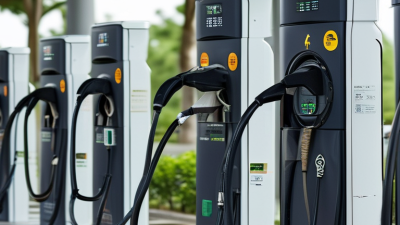

Wall Mounting EV Charge Station
2026 Top AC Wall EV Charge Stations for Global Buyers
Choosing the right Ac Wall Ev Charge Station in 2026 requires more than comparing charging speeds and advertised prices. Global buyers must examine installation conditions, vehicle compatibility, warranty terms, and local electrical requirements. A reliable station should fit real driving habits, not only a product specification sheet.
This guide reviews leading wall-mounted AC chargers for homes, apartments, offices, and small commercial sites. It considers power output, connector options, load management, weather protection, app functions, and maintenance access. A clear display, durable cable, and responsive safety controls can make daily charging easier. Small details matter.
Regional differences can change the buying decision. Grid voltage, connector standards, certification requirements, climate, and installer expertise vary widely. Buyers should verify current local rules before ordering or installing equipment. Product claims also deserve careful checking. Some advertised features may work differently across vehicles or software versions.
Real experience is useful here. A quiet charger beside a garage wall may be more valuable than a faster model that needs costly electrical upgrades. However, performance depends on the vehicle, cable, circuit capacity, and charging schedule. No single station suits every market. That is the uncomfortable part.
The following overview compares practical options for international purchasers. It highlights strengths, limitations, and questions worth asking suppliers. Readers will find guidance for evaluating safety documentation, after-sales support, smart charging functions, and long-term operating value. A careful choice today can reduce replacement costs later, though no review can remove every installation risk.
What Are AC Wall EV Charge Stations and How Do They Work?
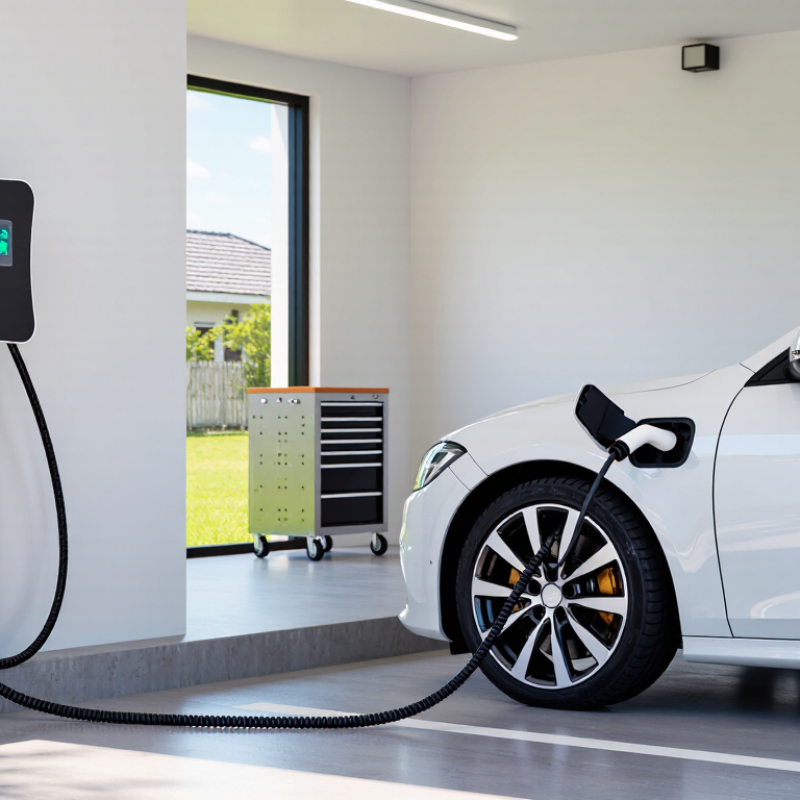
An AC wall EV charge station is a fixed device that safely connects an electric vehicle to a building’s power supply. It does not usually convert alternating current into battery-ready direct current. The vehicle’s onboard charger performs that conversion. The wall unit controls access, checks electrical conditions, and communicates with the car before charging begins.
A typical station delivers 3.7, 7.4, 11, or 22 kW, depending on the electrical system and vehicle limits. A 7.4 kW unit can add roughly 35–45 kilometers of driving range per hour, although battery size and temperature change the result. IEC 61851 defines important charging communication and safety requirements. IEC 62196 covers common charging connectors. These standards matter more than appearance.
The IEA Global EV Outlook 2024 reported almost 14 million electric car sales in 2023, representing about 18% of global car sales. More vehicles create greater demand for dependable home and workplace charging. Yet a higher rated station is not automatically better. A 22 kW model may deliver only 11 kW when the vehicle or building supply limits output. Installation quality remains critical. A qualified electrician should check cable capacity, earthing, residual-current protection, and load management. Smart scheduling can shift charging away from expensive peak periods. It can also prevent a small home connection from tripping. The weak point is often overlooked: real sites are messier than product sheets. Weather, long cable runs, and shared electrical loads can reduce performance.
2026 Top AC Wall EV Charge Stations for Global Buyers
What are AC wall EV charge stations and how do they work? AC wall charge stations deliver alternating current to an electric vehicle. The vehicle’s onboard charger converts AC into DC and stores it in the battery. The charging power depends on the supply voltage, current rating, and whether the installation uses single-phase or three-phase electricity.
Key Features to Compare in 2026 AC Wall Chargers
2026 Top AC Wall EV Charge Stations for Global Buyers
Key Features to Compare in 2026 AC Wall Chargers
Choosing an AC wall charger starts with electrical compatibility, not screen size. Check single-phase or three-phase input, rated current, and local grid limits. A 7.4 kW unit suits many homes, while 11 kW or 22 kW models need suitable wiring. Confirm the vehicle’s onboard charger before paying for unused capacity. A faster charger may change little.
Safety deserves close inspection. Look for residual-current protection, over-temperature monitoring, surge protection, and automatic power reduction. Enclosures should resist rain, dust, and accidental impact, especially in open parking areas. However, an IP rating is not magic. Poor cable glands or careless installation can still allow moisture inside. Qualified installation remains essential.
Daily usability also separates practical chargers from attractive products. Compare fixed-cable length, socket compatibility, RFID access, scheduling, and energy reports. Dynamic load balancing can prevent charging from tripping household appliances at night. For commercial sites, OCPP support may simplify monitoring across different systems. Test the mobile connection near the parking space; thick walls can weaken signals. Warranty terms, spare parts, firmware updates, and service response matter more than a bright display. Some specifications look impressive, but real charging stability is what drivers notice.
Global Standards, Plug Types, and Regional Compatibility
Choosing an AC wall EV charge station starts with standards, not appearance.
IEC 61851 defines charging communication and safety expectations. IEC 62196 covers connector dimensions and electrical interfaces. These standards help buyers compare equipment across markets, but certification still depends on local authorities.
Plug type is equally important. Europe commonly uses Type 2 connectors with 230V single-phase or 400V three-phase supply. North American homes may use Type 1, while some newer vehicles accept another regional AC connector standard. China generally uses GB/T interfaces. Australia and several Asian markets often follow Type 2 practices, yet installation rules can differ. Always match the vehicle inlet, cable design, voltage, frequency, and phase arrangement. A physical fit does not guarantee safe charging.
Regional compatibility needs more than an adapter. Check residual-current protection, grounding, breaker ratings, enclosure protection, and Wi-Fi frequency requirements. Outdoor units may face rain, dust, heat, or freezing conditions. A 7.4 kW station can require a dedicated 32A circuit, while an 11 kW model may need three-phase power. Ask a licensed electrician to confirm the supply before purchase. It is easy to trust a “universal” label too quickly. That assumption deserves review. Local grid limits, building permits, and vehicle software can change the real charging experience. A careful buyer records the car model, destination country, socket type, and household supply before selecting equipment.
Installation, Safety, and Smart Charging Requirements
Selecting an AC wall EV charge station starts with the installation site, not the screen or charging speed. A certified electrician should check the main panel, grounding, cable route, and available capacity. Use a dedicated circuit with suitable overcurrent protection and residual-current protection. Local electrical rules differ, so global buyers must verify regional requirements before importing equipment. A weather-exposed unit needs an appropriate enclosure rating, protected cable entry, and safe clearance from standing water. The mounting surface should support the charger without stressing its terminals. Small details matter.
Safety continues during daily use. The connector should lock firmly, release smoothly, and remain cool during a full charging session. Installers should test voltage, earth continuity, protection devices, and emergency shutdown functions. Field experience shows that rushed cable routing creates avoidable heat and trip hazards. It looks tidy, but it may not be safe.
Smart charging can reduce these risks by scheduling sessions during lower-demand periods and limiting current when household loads rise. Useful functions include dynamic load balancing, energy monitoring, user authentication, and remote fault alerts. A stable network connection helps, but local controls should still work when Wi-Fi fails. Cybersecurity also deserves attention: change default passwords, update firmware, and restrict remote access. Some specifications appear impressive yet perform poorly in cold garages or weak-signal areas. Test those conditions before large-scale deployment.
How to Choose the Right AC Wall Charger for Global Use
Choosing an AC wall charger for global use starts with the electrical system, not the display or cable design. Check local voltage, frequency, phase type, and available circuit capacity. A unit designed for one region may perform poorly elsewhere. It may even require replacement.
Connector compatibility matters just as much. Confirm the vehicle inlet, cable length, plug configuration, and charging current before purchase. Adjustable current settings help households with limited power. Dynamic load management is useful when heating, cooking, and charging happen together. Look for recognized safety certification in the destination market. Protection against overcurrent, residual current, overheating, and surge events should be clearly documented. Ask for installation instructions in a language local electricians understand.
Outdoor buyers should examine the enclosure rating, temperature range, drainage, and resistance to dust. A strong wall mount prevents cable strain and unwanted movement. Smart functions can support scheduling, energy monitoring, and remote fault alerts, but they should not replace physical safety controls. Data privacy terms also deserve attention. A charger may appear advanced yet offer weak support after installation. Check warranty coverage, spare parts access, software update policies, and response times before ordering. This detail is often overlooked.
Global selection is rarely perfect. Local grid conditions can differ from sales specifications. A qualified electrician should verify the circuit and grounding on site. When uncertain, choose a simpler charger with transparent documentation rather than a feature-heavy unit you cannot maintain.
Related Posts
-
China Top 10 EV Charger Station Suppliers?
-
10 Best EV Charging Stations for Businesses in 2026
-
Top 10 AC Wall EV Charge Stations for Efficient Electric Vehicle Charging
-
How to Source Electric Car Recharge Stations Globally?
-
Top Home Wall EV Charge Stations to Consider in 2025 for Electric Vehicle Owners
-
10 Best EV Charger Stations for Global Buyers