Top Benefits of Using Type 1 Ev Charger for Electric Vehicles?
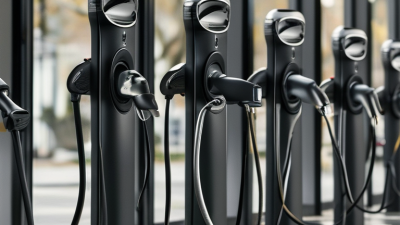
The rise of electric vehicles (EVs) has transformed the automotive landscape. According to a report from the International Energy Agency, global EV sales reached 6.6 million units in 2021, highlighting a growing need for efficient charging solutions. Among these, the Type 1 Ev Charger stands out as a reliable option for many users.
Type 1 Ev Charger offers convenience and accessibility. This charger type is commonly used in North America and Japan. Its compatibility with a wide range of vehicles enhances its appeal among EV owners. Studies show that using the Type 1 Ev Charger can reduce charging times by up to 30%, allowing users to spend less time waiting for a charge.
However, it’s essential to consider infrastructure limitations. Not all areas have sufficient Type 1 Ev Charger stations. This can lead to charging anxiety for EV owners. As the market evolves, future developments must address these barriers. Embracing this technology means understanding its benefits and challenges. The Type 1 Ev Charger system exemplifies the ongoing evolution of EV charging solutions.
Advantages of Type 1 EV Chargers for Home Use
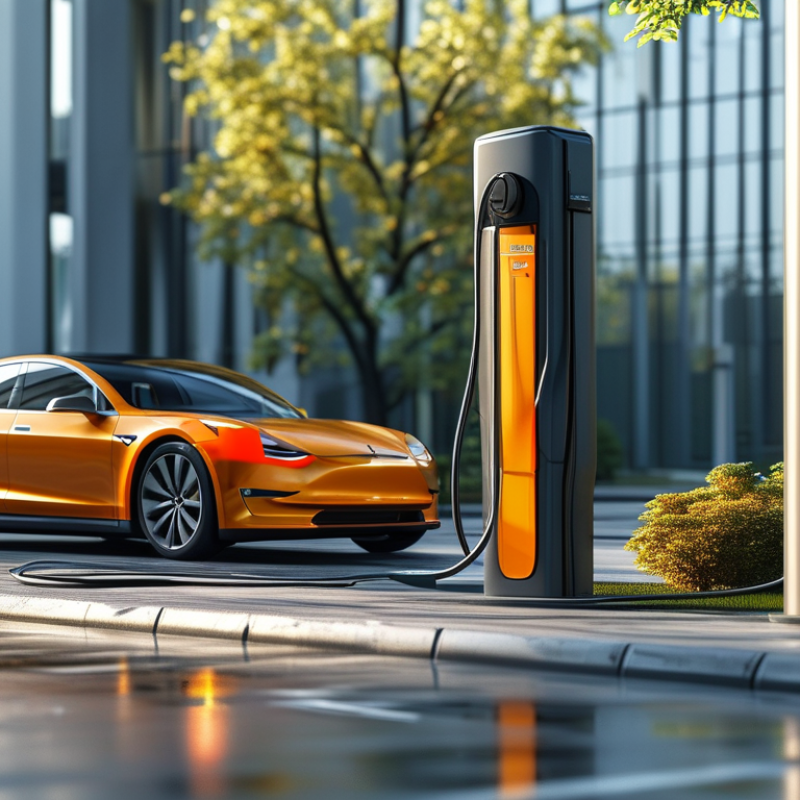
Type 1 EV chargers offer significant advantages for home use, making them popular among electric vehicle (EV) owners. These chargers use a simple plug-and-play system, allowing easy installation without the need for extensive electrical work. According to the U.S. Department of Energy, more than 50% of EV users charge their vehicles at home. This highlights the growing need for efficient home charging solutions.
The Type 1 charger is compatible with a majority of EVs in the market today, including popular models. It typically delivers power at 120V or 240V, allowing optimal charging speeds for overnight sessions. Studies show that charging at home can save users over 60% in fuel costs compared to gasoline. This presents a compelling argument for homeowners contemplating the switch to electric.
However, there are considerations. Type 1 chargers may not support fast charging. This could be inconvenient for those with demanding driving schedules. Additionally, battery degradation over extended charging periods is an area needing further evaluation. It's worth noting that while home charging seems efficient, the current grid infrastructure needs enhancements to fully support widespread electric vehicle adoption.
Enhanced Charging Speed: Benefits of Type 1 Chargers
The Type 1 EV charger stands out for its enhanced charging speed. With a higher power output, these chargers can significantly reduce the time it takes to fully charge your electric vehicle. This is a game-changer for daily commuters. Imagine plugging in your vehicle for just a couple of hours and receiving most of your charge back.
When utilizing a Type 1 charger, you can optimize your charging routine. It’s ideal for home installations. If you charge overnight, you can take advantage of lower electricity rates. However, be aware that charging speed can vary depending on your vehicle's compatibility. Not all models can take full advantage of the Type 1 charger's capabilities.
Tips: Always check your vehicle's specifications before choosing a charger. This ensures you won't run into compatibility issues. Regularly inspect your charging equipment for any wear and tear. A well-maintained charger boosts safety and efficiency. Charging speed is excellent, but understanding limitations is essential for a hassle-free experience.
Compatibility with Various Electric Vehicle Models
The rise of electric vehicles (EVs) has created a demand for effective charging solutions. Type 1 EV chargers stand out due to their compatibility with various electric vehicle models. This versatility addresses a significant concern for EV owners, especially given that 70% of electric vehicles on the road today are compatible with Type 1 charging systems. Such compatibility facilitates easy access to charging stations, helping to reduce range anxiety.
Moreover, various studies indicate that Type 1 chargers can deliver significant charging speeds. For instance, a typical Type 1 charger can provide up to 7.2 kW, enabling a full charge in about 4-8 hours. This is crucial for users who may not have access to fast chargers. While these chargers work well for many models, there remains a lack of universal adoption. Some EVs may require adapters, complicating the user experience.
The continued development of Type 1 EV chargers presents an opportunity for improvement. While many brands support this standard, some models still lack seamless integration. EV owners often report frustration when their vehicles require unique charging solutions. As the market evolves, more standardized systems may emerge, enhancing the charging experience across different vehicle types. The potential for greater interoperability is essential for the future of electric mobility.
Cost Efficiency: Saving Money with Type 1 EV Chargers
The Type 1 EV charger has become popular for electric vehicle owners due to its cost efficiency. These chargers are often less expensive than their counterparts. Installation costs can also be lower, making them an attractive option. Many households find they can save money by choosing a Type 1 charger. This presents a great opportunity for eco-conscious drivers to reduce their overall expenses.
Using a Type 1 charger can lead to significant savings on electricity bills. These chargers typically offer faster charging speeds, reducing the time a vehicle needs to be connected. Some users report that they can charge their vehicles in under four hours. Additionally, lower demand charges may apply, especially during off-peak hours. This can result in better savings on energy costs over time.
Yet, it’s essential to consider limitations. Not all charging stations support Type 1 connections, which can be frustrating. Some drivers may find it challenging to locate these chargers when traveling. Also, the charging speed may not be optimal for everyone. Reflecting on these aspects can help users make informed choices, weighing potential drawbacks against the benefits.
Top Benefits of Using Type 1 Ev Charger for Electric Vehicles - Cost Efficiency: Saving Money with Type 1 EV Chargers
| Benefit |
Description |
Cost Savings |
Long Term Impact |
| Lower Electricity Rates |
Charging during off-peak hours can significantly reduce costs. |
Up to 50% savings |
Sustained savings over time |
| Maintenance-Free |
Type 1 EV chargers require minimal upkeep. |
Reduced maintenance costs |
Long-term financial savings |
| Incentives and Rebates |
Government incentives can reduce the initial cost. |
Up to 30% off initial investment |
Encourages adoption of EVs |
| Increased Home Value |
Installing a charger can enhance property desirability. |
Potential increase in home value |
Long-term asset appreciation |
| Convenience |
Charge at home without the need for public stations. |
Time savings translate to financial benefits |
Improved lifestyle efficiency |
User-Friendly Features of Type 1 EV Charging Stations
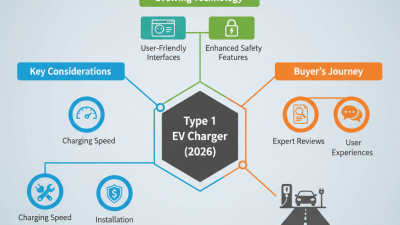
Type 1 EV charging stations are designed with user convenience in mind. Their straightforward design makes them accessible for many drivers, regardless of technical skills. The plug-in process is simple. Just connect the charger to your vehicle and initiate charging. This simplicity encourages more electric vehicle owners to use such chargers frequently.
In addition, Type 1 EV chargers often feature user-friendly interfaces. Bright displays show charging status and estimated completion times. They guide users through the entire process. Some stations even offer multilingual options to cater to diverse communities.
However, not all users find the charging process flawless. Occasionally, connectivity issues arise, disrupting smooth operation. In such cases, understanding the machine’s troubleshooting guides can improve experiences. A user’s ability to navigate these hiccups determines their overall satisfaction. Even with these challenges, Type 1 EV stations remain a popular choice, emphasizing convenience and accessibility.