What is an Electric Car Charger and How Does it Work?
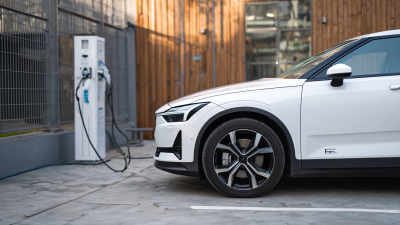
Electric car chargers are vital components of the electric vehicle ecosystem. They enable the transfer of electric energy to the vehicle's battery, ensuring that it can operate efficiently. This device plays a significant role in promoting eco-friendly transportation.
Understanding how an electric car charger functions is essential for all EV owners. These chargers come in various types, each with specific features and capabilities. Some are designed for home use, while others cater to public charging stations. Misunderstanding these differences can lead to frustrating experiences.
As the popularity of electric vehicles grows, so does the importance of reliable charging infrastructure. However, many users remain unaware of optimal charging practices. Ensuring that you have the right electric car charger is key to enhancing the longevity of your vehicle. A well-informed approach can make a meaningful difference in your ownership experience.
What is an Electric Car Charger?
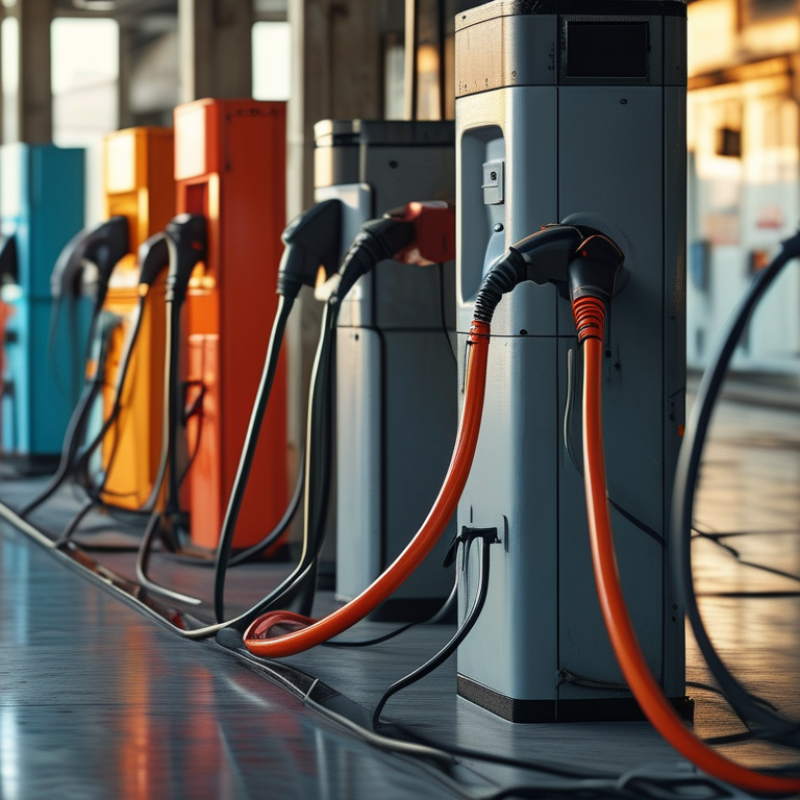
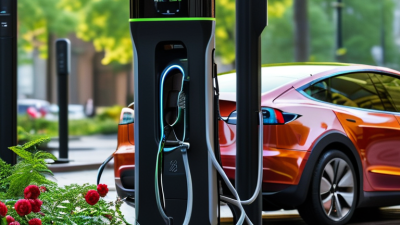
An electric car charger is a device that supplies energy to recharge electric vehicles (EVs). These chargers convert electrical energy from a power source into a format that the car can use. They come in various types, including home chargers, public charging stations, and fast chargers. Each type serves a specific need, helping drivers keep their vehicles powered.
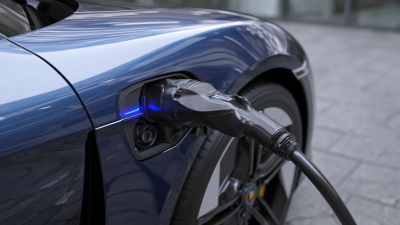
Chargers typically use a plug system compatible with the vehicle. They can be Level 1, Level 2, or DC fast chargers, varying in charging speed and electrical input. Level 1 chargers are slower and ideal for home use, while fast chargers provide a quick boost. Specialized equipment may be required for certain models of EVs.
However, not all charging stations are easily accessible. Some charge fees, and others may not be operational, leading to potential inconvenience for drivers. It's also common for people to underestimate their charging needs, leading to range anxiety. Being aware of available resources and understanding how chargers work can enhance the EV experience.
Types of Electric Car Chargers and Their Applications
Electric car chargers play a vital role in the adoption of electric vehicles (EVs). Different types of chargers cater to various needs. Level 1 chargers use a standard household outlet, providing about 2-5 miles of range per hour. This is ideal for overnight charging at home. However, the slow rate may not meet the needs of daily commuters.
Level 2 chargers can deliver a significant boost. They are commonly used in public settings and can provide 10-20 miles of range per hour. The U.S. Department of Energy reported that nearly 80% of charging happens at home, but Level 2 chargers are essential for fast charging needs, particularly on long trips.
DC fast chargers take it a step further, providing up to 充电 80% in just 30 minutes. While convenient, their availability remains limited. According to a recent industry report, the fast-charging infrastructure needs improvement for broader EV adoption. Public accessibility remains an issue. More efforts are required to enhance the reliability of charging networks. Understanding these types can aid EV owners in making informed choices.
How Electric Car Chargers Work: A Step-by-Step Process
Electric car chargers are essential for powering electric vehicles. They convert alternating current (AC) from the grid into direct current (DC) that the car's battery can store. Understanding how these chargers work is crucial for any electric vehicle owner.
When you connect an electric car to a charger, the process begins with the handshake between the vehicle and the charger. The charger reads the vehicle's communication protocol. This protocol dictates how much power the car can accept. Then, it begins supplying the necessary voltage and current. This step is vital because different cars have different charging capabilities. The connection must be secure to prevent any power loss.
As the battery charges, the charger monitors the battery’s state. This includes voltage levels and temperature. However, not all chargers operate perfectly. Sometimes, issues like overheating or incompatible connections arise. Regularly checking charging equipment ensures that these problems are minimized. Understanding the charging process enhances both safety and efficiency. It also empowers owners to troubleshoot minor issues when they occur.
What is an Electric Car Charger and How Does it Work?
| Charger Type |
Charging Speed (kW) |
Typical Use Case |
Connector Type |
| Level 1 Charger |
1.4 - 2.4 kW |
Home Charging |
NEMA 5-15 |
| Level 2 Charger |
3.7 - 22 kW |
Public Charging Stations, Home Charging |
SAE J1772 |
| DC Fast Charger |
50 - 350 kW |
Highway Travel, Quick Stops |
CHAdeMO, CCS |
| Wireless Charger |
Up to 11 kW |
Convenient Parking |
N/A |
Benefits of Using Electric Car Chargers
Electric car chargers play a crucial role in the growing electric vehicle (EV) ecosystem. Their usage offers several benefits that contribute to a more sustainable future. A report from the International Energy Agency states that there are over 1.3 million public chargers globally as of 2021. This number is expected to quadruple by 2030. As EV adoption rises, so does the importance of accessible charging solutions.
One major benefit of using electric car chargers is the reduction of greenhouse gas emissions. According to a study by the U.S. Environmental Protection Agency, electric vehicles could lead to a 60% drop in emissions compared to traditional vehicles. Furthermore, charging at home can substantially lower fuel costs. The Department of Energy indicates that electricity is generally cheaper than gasoline, making EVs a cost-effective option overall.
Tips: To maximize savings, consider charging during off-peak hours. This can reduce electricity costs and help balance grid demand. Additionally, familiarize yourself with local charging infrastructure. Not all locations are equipped with fast chargers, which can save you time. Awareness of charger availability enhances your driving experience and supports sustainable practices. Sometimes, it may take longer to charge than expected, so plan your trips accordingly.
Electric Car Charger Types and Charging Speed
This chart illustrates the different types of electric car chargers and their respective charging speeds measured in miles per hour. Level 1 offers a slow charge while Level 2 significantly increases the charging speed, and DC Fast Charging provides the quickest charging solution.
Considerations for Installing an Electric Car Charger at Home
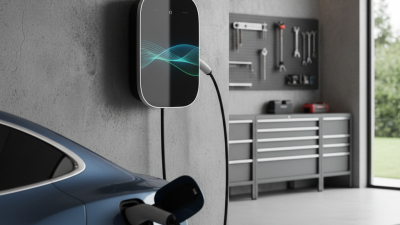
When considering an electric car charger for your home, several factors come into play. The location of the charger is crucial. Ideally, it should be near where you park your vehicle. This minimizes the distance for electrical wiring, making installation easier and more cost-effective. Having a dedicated circuit is also recommended, as it ensures efficient charging without overloading your home's electrical system.
Understanding the amp rating of the charger is vital. Higher amps mean faster charging, but they also require proper electrical infrastructure. Not every home can handle high amp chargers without upgrades. It’s worth visiting your electrical panel to check available capacity. Seek professional assistance to ensure safety and compliance with local codes.
Installation costs can vary significantly. It’s often tempting to go for cheaper options. However, cutting corners may lead to issues later on, such as inadequate charging speed or electrical hazards. Assess the long-term benefits of investing in quality components. Having a reliable system in place is essential for enjoying the convenience of an electric vehicle.