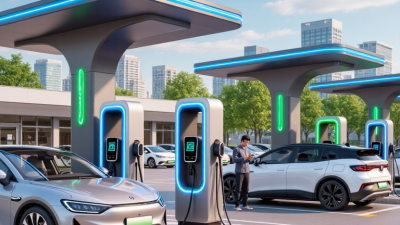

Wall Mounting EV Charge Station
What Are EV Recharge Stations and How Do They Work?
Electric vehicles are changing how drivers think about fuel: instead of stopping at a pump, they connect to a charger and wait while energy enters the battery. Ev Recharge Stations make that process possible in homes, workplaces, car parks, and along highways. They are not all alike. A wall-mounted AC charger may add energy slowly overnight, while a public DC fast charger can supply power much more quickly.
The International Energy Agency’s Global EV Outlook 2024 reports that the number of publicly accessible charging points worldwide approached 4 million in 2023, growing by more than 40% in one year. That expansion matters. But charger counts do not tell the whole story: location, reliability, charging speed, and vehicle compatibility shape the experience at the curb. The U.S. Department of Energy explains that AC charging relies on a vehicle’s onboard charger to convert electricity for the battery. DC fast chargers perform that conversion at the station and deliver DC power directly to the vehicle. The car’s battery-management system then helps control charging, while the station and vehicle exchange information. Real charging speed still depends on the vehicle, battery temperature, and available power. A connector alone is no guarantee. This guide explains what recharge stations are, how they work, and what drivers should check before plugging in. Some details vary by model and site; that part is easy to overlook.
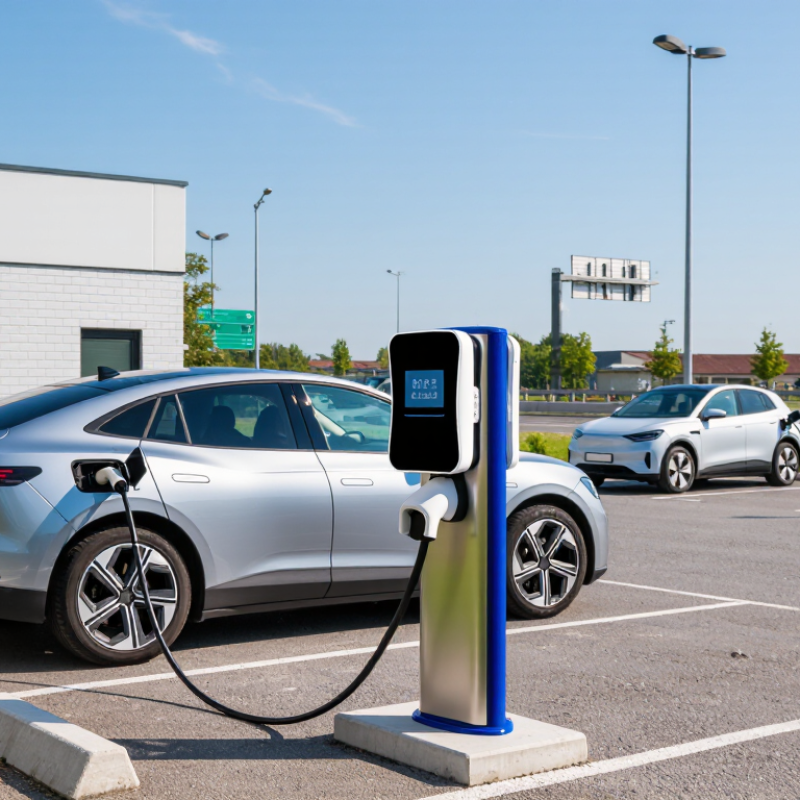
What Are EV Recharge Stations?
An EV recharge station is equipment that delivers electricity to a parked electric vehicle. It may be a compact unit beside a home driveway or several posts in a public parking area. The visible post usually contains a cable, connector, screen, and control system. Some stations provide alternating current, which the vehicle converts through its onboard charger. Others supply direct current to the battery, allowing faster charging when the vehicle supports it. Not every plug fits. Connector type and charging speed vary.
Inside the station, power-control components monitor the electrical supply and communicate with the vehicle. They help manage energy flow and stop charging if a fault is detected. A driver may tap a card, use an app, or simply plug in, depending on the site. Small details matter: cable length, weather protection, and clear status lights can make a station easier to use. A unit labeled “fast” may still charge slowly if the car accepts less power or the battery is cold. Station layouts can be confusing, honestly, and posted power ratings do not always match the speed a driver experiences.
What Main Components Make Up an EV Recharge Station?
An EV recharge station is more than a cable on a post. Its enclosure protects electrical parts from rain, dust, and accidental knocks. Inside, a control unit manages the charging session and checks that the vehicle and station are communicating safely. Sensors monitor conditions such as current and temperature. That matters. If something appears abnormal, protective switches can interrupt power.
The power electronics depend on the station type. An AC station supplies alternating current, which the vehicle’s onboard charger converts for its battery. A DC fast-charging station performs that conversion inside the station and sends direct current to the vehicle. The cable and connector carry power, while locking and temperature-monitoring features help prevent unsafe disconnection or overheating. Heat needs room. Some stations use fans or other cooling systems, though designs vary. A display, status lights, and payment interface may help drivers start and track a session; network hardware can report faults remotely. Not every component is visible, and the internal layout is not always intuitive. A quiet station may still be communicating, measuring energy, and checking its connections.
What Are EV Recharge Stations and How Do They Work? - What Main Components Make Up an EV Recharge Station?
| Component | Main Function | How It Works | Typical Details |
|---|---|---|---|
| Electrical supply and service connection | Provides the station with power from the local electrical system. | Power enters through a building or utility connection. The required capacity depends on the number and power level of the charging outlets. | May include a dedicated circuit, service panel, and appropriately sized conductors. Installation must account for the site’s available electrical capacity. |
| Switchgear and protection devices | Controls power distribution and helps protect people and equipment. | Circuit breakers and other protective devices can interrupt power during an overload or fault. Grounding and, where required, residual-current protection help address electrical hazards. | Protection requirements vary by equipment type, electrical code, and installation location. |
| Power conversion equipment | Delivers electricity in a form suitable for the vehicle. | For AC charging, the station supplies controlled AC power and the vehicle’s onboard charger converts it to DC for the battery. For DC fast charging, conversion to DC is performed in the station before power reaches the vehicle. | AC equipment is commonly described by its AC output rating. DC equipment is commonly described by its DC output power and voltage range. |
| Charging cable and connector | Creates the electrical connection between the station and the vehicle. | The connector mates with the vehicle inlet. The cable carries power and communication signals; the station and vehicle coordinate charging before power is enabled. | Connector type depends on the charging standard and region. Cable ratings and temperature limits must match the equipment design. |
| Control and communication system | Coordinates charging and monitors operating conditions. | Control electronics check connection status, exchange charging information with the vehicle, and manage power delivery. They can stop charging if a fault or unsafe condition is detected. | Communication may occur between the station and vehicle, and between the station and a network service. |
| User interface | Helps drivers start, monitor, and end a charging session. | Instructions and status indicators show whether the station is available, connected, charging, or reporting an error. | May include buttons, a screen, indicator lights, or contactless payment capability, depending on the station. |
| Metering and billing functions | Measures or records charging activity for reporting and payment. | Depending on the installation, the system records energy delivered, session duration, or other usage information and may send it to a billing service. | Billing methods and measurement requirements vary by operator and local regulations. |
| Enclosure and thermal management | Protects internal equipment and keeps it within its operating limits. | The enclosure shields components from environmental exposure. Ventilation or cooling may manage heat, particularly in higher-power DC equipment. | Outdoor units are designed for specified environmental conditions; maintenance helps keep vents and connectors in suitable condition. |
| Mounting, cable support, and signage | Supports safe, accessible use of the charging point. | Mounts secure the equipment, cable supports help keep cables off the ground, and signs communicate operating instructions or parking restrictions. | Layout should allow users to reach the connector while reducing trip hazards and avoiding obstruction of accessible routes. |
How the system works: The station verifies the connection and communicates with the vehicle before enabling power. During charging, it supplies AC power for conversion by the vehicle’s onboard charger, or supplies DC power converted within the station. Charging is monitored and can stop when the session ends or a fault is detected.
How Does a Station Deliver Power to an Electric Vehicle?
A recharge station connects the electric grid to a vehicle through switches, protective equipment, and power electronics. In AC charging, the station supplies alternating current; the vehicle’s onboard charger converts it into direct current for the battery. That distinction matters. Charging speed depends on the station’s output, the onboard charger’s capacity, and the battery’s temperature and state of charge. The cable and connector must also safely carry the requested current.
With DC fast charging, conversion happens inside the station. It sends direct current to the battery while the vehicle and station exchange control signals. The battery management system continually sets safe limits, and the station adjusts its output accordingly. Peak power is not a steady promise: charging often slows as the battery fills or heats up. A useful detail, though easy to overlook. The International Energy Agency’s Global EV Outlook 2024 counted about 3.9 million public charging points worldwide at the end of 2023, roughly 40% more than a year earlier. That wide range of equipment means the same vehicle may charge at very different speeds from one stop to another. Cold weather can slow charging, too, and the exact effect varies by vehicle.
What Happens During a Typical EV Charging Session?
A typical EV charging session begins with parking near a compatible station and checking its instructions. You connect the charging cable to the vehicle’s inlet. The station and car exchange information about charging limits and connection status. Payment or access may be handled at the station, through an app, or another available method. Then charging begins.
The display usually shows charging status, elapsed time, and an estimated completion time. These figures can change. Charging speed depends on the station, the vehicle, battery temperature, and how full the battery is. As the battery approaches its target level, power often slows to help protect battery health. Cold weather can also affect speed. The session ends when you stop it through the vehicle or station, or when the selected limit is reached. Follow the station’s prompts before unplugging.
Tips: Set a charging limit that suits your next trip, rather than assuming every stop needs a full battery. Check that the connector is seated securely, and keep the cable clear of walkways. If charging seems unusually slow, check the vehicle’s screen and station display before restarting. Estimates are not guarantees, and I’d treat them as guidance.
What Happens During a Typical EV Charging Session?
Illustrative DC fast-charging power at different battery charge levels
After you connect and the vehicle and station communicate, charging begins. The chart shows an illustrative pattern: power is often higher at lower battery levels and tapers as the battery fills, especially near full. Actual power varies with the vehicle, station, battery temperature, and other conditions. With AC charging, the vehicle’s onboard charger converts power; a DC fast charger supplies DC power to the battery.
How Do Charging Levels and Connector Types Differ?
Charging levels describe how quickly electricity reaches an EV. Level 1 uses a standard household outlet and is usually the slowest option. It can add useful range overnight, but a nearly empty battery may need much longer. Level 2 uses higher-powered AC equipment, often found at homes, workplaces, and public parking areas. It suits routine charging. DC fast charging sends direct current to the battery and can add substantial range during a short stop. Actual speed varies.
The connector is the physical plug, not the charging speed. Type 1 and Type 2 connectors commonly serve AC charging in different regions. CCS connectors combine AC pins with additional contacts for DC fast charging. Other connector standards are also used, so check the vehicle’s inlet and the station’s cable before setting out. A plug that fits may still not deliver the station’s full rated power.
The car and charger negotiate a safe charging rate. Battery temperature, charge level, and the vehicle’s onboard equipment can all reduce speed. For example, a cold battery may charge slowly even at a powerful station. The display gives an estimate, not a promise. That distinction is easy to miss. Drivers often plan around the charger’s maximum figure, though the car may never reach it.
Related Posts
-
10 Best Electric Car Recharge Stations for Global Buyers
-
China Top Electric Car Recharge Stations Suppliers?
-
What Are the Top EV Recharge Stations for Global Buyers?
-
Embracing Innovation: The Future of EV Charger Stations for Sustainable Transportation
-
Why You Need the Right EV Charging Cable for Your Electric Vehicle Today
-
Top Ac Wall Ev Charge Station Solutions for Global Buyers?