
Leave Your Message
Wall Mounting EV Charge Station

Wall Mounting EV Charge Station

China Top Electric Car Recharge Stations Suppliers?

China has become a central force in the global Electric Car Recharge Stations market. The International Energy Agency’s Global EV Outlook 2024 reported more than four million public charging points worldwide by the end of 2023. China represented the largest share, supported by rapid electric vehicle adoption and extensive urban deployment.

Scale matters. Reliability matters more.

The China Electric Vehicle Charging Infrastructure Promotion Alliance reported approximately 2.7 million public charging facilities in China by the end of 2023. This growth created a competitive supplier landscape, including companies such as TELD, Star Charge, XJ Electric, INOVANCE, and Huawei Digital Power. However, supplier rankings can change quickly. A low purchase price does not guarantee strong field performance.

IEA Executive Director Fatih Birol has emphasized that “charging infrastructure is a key enabler of the electric mobility transition.” That principle is visible beside Chinese highways, where high-power chargers must operate through heat, dust, rain, and heavy daily traffic. Buyers should therefore examine uptime records, charging efficiency, liquid-cooling design, OCPP compatibility, payment systems, grid integration, and after-sales response times.

Certification and local service capability also deserve close attention. A supplier may offer impressive laboratory specifications but struggle with spare parts or software updates abroad. That gap is easy to overlook.

This guide compares China’s leading Electric Car Recharge Stations suppliers through practical criteria, not marketing claims alone. The evaluation is not perfect. Regional data can differ, and supplier performance may vary between projects. Still, transparent evidence offers a more useful starting point for fleet operators, property developers, and international distributors.
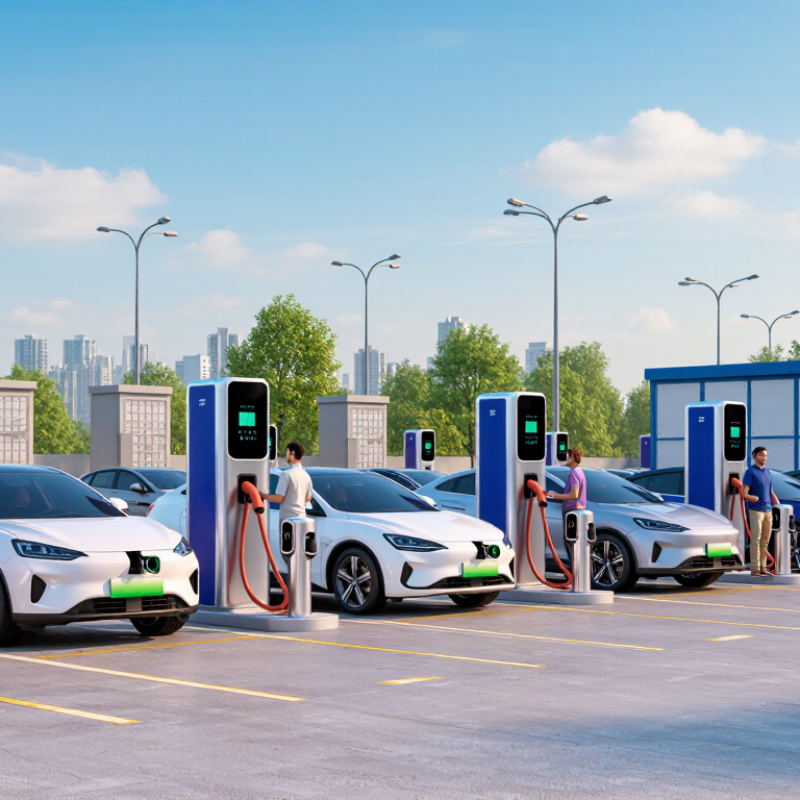
China Top Electric Car Recharge Stations Suppliers?

China’s 12.82 Million Charging Facilities: Market Structure in 2024

China Top Electric Car Recharge Stations Suppliers?

China’s charging market reached 12.82 million facilities in 2024, according to nationwide industry data. This figure includes public chargers and private units installed in residential compounds. The market is not controlled by one supplier group. Equipment manufacturers provide chargers, power modules, connectors, and monitoring systems. Operators manage station availability, payments, maintenance, and electricity settlement. Property companies and local utilities also influence site access and grid connections.

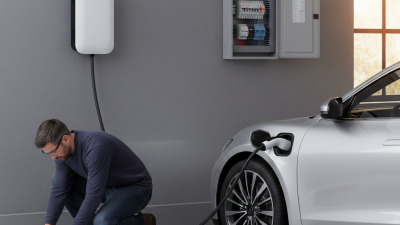
For buyers, supplier selection should match the charging scene. A highway station needs high-power equipment, weather protection, clear cable management, and reliable remote alerts. An apartment project may need load balancing, user authentication, and compact wall-mounted units. Field experience shows that uptime matters more than impressive peak power. A charger that frequently stops during winter mornings creates complaints and repair costs. Specifications alone can mislead.

Tips: Check the supplier’s maintenance response time, spare-parts plan, safety testing, and software compatibility. Ask for operating records from similar sites. Confirm whether installation includes transformer upgrades and civil work. Some quotations look cheaper because these costs appear later. That detail is easy to miss. Operators should also review utilization by hour, not only daily charging volume. Early forecasts can be too optimistic, especially in smaller cities. Grid capacity, parking turnover, and local driving habits deserve equal attention.

Top Chinese Suppliers Across 3.58 Million Public Charging Piles

China Top Electric Car Recharge Stations Suppliers?

China’s public charging network has reached a reported 3.58 million charging piles. This scale changes how buyers should evaluate suppliers. Production capacity matters, but field performance matters more. A reliable supplier should provide stable power output, accurate billing, and clear maintenance procedures.

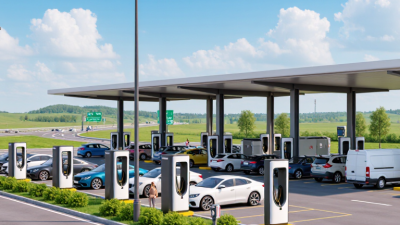
From practical project reviews, station selection starts with traffic patterns. Urban parking areas need compact units and fast user turnover. Highway sites require weather resistance, strong cooling, and dependable communication. Suppliers with proven testing systems can reduce installation mistakes. They should also provide load management, remote monitoring, and spare parts support. These details often decide whether a station serves drivers smoothly.

Not every low-cost unit is economical. Some products perform well in mild weather but struggle during heat waves. Others offer impressive charging speed, yet need frequent service visits. That weakness is easy to miss during a short trial. Buyers should request uptime records, safety test results, warranty terms, and maintenance response times. Local technicians are valuable. So is transparent documentation.

The market is still developing. Standards and user habits may continue changing. Suppliers must adapt without making operators replace complete systems. Careful buyers compare total operating cost, not only purchase price. A larger network can hide uneven quality. Three-point-five-eight million piles sound impressive, but dependable daily access remains the real measure.

AC, DC, and 250 kW+ Fast-Charging Station Supplier Categories

China Top Electric Car Recharge Stations Suppliers?

China’s charging equipment market is divided into practical supplier categories. AC charging station suppliers usually serve homes, offices, hotels, and apartment parking areas. Their products often range from 7 kW to 22 kW. They require stable communication, weather-resistant housings, and clear load-management functions. Installation quality matters more than impressive advertising.

DC fast-charging station suppliers support highways, fleets, shopping centers, and urban charging hubs. Common outputs range from 30 kW to 180 kW. Buyers should examine connector compatibility, charging efficiency, cooling design, and remote fault diagnosis. A reliable supplier should provide test records, installation guidance, spare-part access, and a realistic warranty. Field checks often reveal weak cable management or confusing screen instructions.

250 kW+ suppliers belong to a more specialized category. These systems can add substantial driving range within a short stop, but they demand strong grid capacity, liquid-cooled cables, and careful thermal control. Site operators should verify peak-load behavior, cabinet expansion options, and protection performance under repeated use. A high power rating alone proves little. It may even create unnecessary cost where vehicles cannot accept that output. Independent testing, applicable safety certifications, software update procedures, and documented service response times deserve close review. Some supplier documents remain vague. That deserves questions before purchase.

Comparing Charging Power, Uptime, OCPP Support, and Safety Standards

Choosing China’s top electric car recharge station suppliers requires more than comparing advertised power. A 60 kW DC charger can serve daily commuters well, while a 180 kW unit suits busy highways. However, vehicle limits, grid capacity, cable temperature, and battery conditions affect real charging speed. During a site check, measure output under load, not only on a product sheet. Ask for uptime records, maintenance response times, and spare-part availability. A charger that stops during rain or winter traffic quickly loses its value.

OCPP support also deserves close attention. OCPP 1.6J may cover basic monitoring, payments, and remote resets. OCPP 2.0.1 offers stronger device management and clearer security controls. Confirm certification, firmware update procedures, and compatibility with your management platform. One detail is easy to miss. Some suppliers claim OCPP support, but only provide limited functions. Test remote start, fault reporting, load balancing, and transaction records before signing. Safety documentation should reference applicable standards, such as IEC 61851, IEC 62955, and local electrical requirements. Check emergency stops, residual-current protection, insulation monitoring, enclosure ratings, and cable handling. High power is impressive. Reliable protection matters more. My assessment would still remain cautious when laboratory data lacks independent field evidence.

China EV Charging Market: Brand-Neutral Technical Benchmark

This comparison uses common commercial charger classes rather than company or brand data. Charging power reflects typical maximum output, while uptime represents a practical service-availability target for professionally managed deployments.

Charger class OCPP interoperability Relevant safety framework
AC destination charging OCPP 1.6J widely deployed; OCPP 2.0.1 increasingly available IEC 61851, IEC 60364-7-722
Urban DC fast charging OCPP 1.6J common; OCPP 2.0.1 supported by newer platforms IEC 61851-23, IEC 60364-7-722
Highway DC fast charging OCPP 1.6J and OCPP 2.0.1 support commonly specified IEC 61851-23, IEC 62955, IEC 60364-7-722
High-power charging OCPP 2.0.1 preferred for advanced monitoring and smart charging IEC 61851-23, IEC 62955, IEC 60364-7-722

Reference frameworks include IEC 61851 for conductive charging systems, IEC 61851-23 for DC charging stations, IEC 60364-7-722 for EV supply installations, IEC 62955 for residual direct-current detection, and OCPP 1.6J/OCPP 2.0.1 for charger-to-management-system communication. Actual supplier performance depends on site design, grid conditions, maintenance, software configuration, and certification scope.

Supplier Selection by Total Cost, Network Coverage, and Service Capacity

China Top Electric Car Recharge Stations Suppliers?

Supplier Selection by Total Cost, Network Coverage, and Service Capacity

Choosing a charging station supplier requires more than comparing equipment prices. Total cost includes installation, transformer upgrades, software, maintenance, energy losses, and replacement parts. A low quotation may hide expensive civil work or limited warranty coverage. Ask for a five-year cost model with realistic utilization assumptions. Numbers can mislead. A station serving six vehicles daily will not recover the same investment as a busy urban site.

Network coverage also affects operating reliability. Review the supplier’s deployment experience across highways, residential areas, commercial parking lots, and fleet depots. Confirm connector compatibility, remote monitoring, payment integration, and performance under local weather conditions. Request operating data from similar projects, not only laboratory results. One useful check is a live site visit. It reveals cable wear, screen response, queue design, and basic maintenance quality.

Service capacity often separates a dependable supplier from a temporary seller. Check technician coverage, spare-parts storage, commissioning procedures, and response times for offline chargers. A clear service agreement should define uptime targets and escalation contacts. Smaller suppliers may offer faster communication, but their local support can weaken after installation. This is easy to overlook. Procurement teams should also test the reporting system before signing, because attractive dashboards do not guarantee accurate field data. Mistakes happen, and the selection process should leave room to question optimistic forecasts.