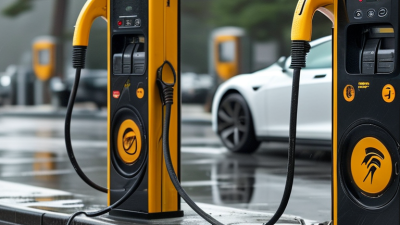

Wall Mounting EV Charge Station
Why Choose an Electric Car Charger for Your Business?
Choosing an Electric Car Charger for your business is a practical decision, not merely a sustainability statement. Customers now notice whether a workplace, hotel, retail store, or office provides reliable charging. A charger beside the entrance can influence where people stop, shop, and stay. It can also support employees who drive electric vehicles daily.
Fatih Birol, Executive Director of the International Energy Agency, has said, “The electric car revolution is unstoppable.” His observation reflects a clear business shift. Electric vehicle adoption is growing, but charging demand is not identical everywhere. A city hotel may need several destination chargers. A logistics site may require faster units and stronger electrical capacity. A small office might begin with one smart charger. Location matters.
So does reliability.
A suitable Electric Car Charger can offer customer convenience, controlled energy use, and a new service opportunity. Networked models may provide usage records, access controls, and basic payment functions. However, installation costs, maintenance, local grid limits, and future vehicle demand require careful review. The cheapest unit may become expensive when repairs or upgrades appear. That lesson is easy to overlook.
Business owners should speak with qualified installers and examine real operating conditions. Check cable length, weather protection, parking patterns, and peak electricity periods. Ask how software updates and technical support work. A charger that looks impressive on launch day may disappoint six months later. That possibility deserves honest attention. The strongest choice balances safety, usability, scalability, and measurable business value. It does not promise perfection. It creates a dependable foundation for cleaner, more convenient transport.
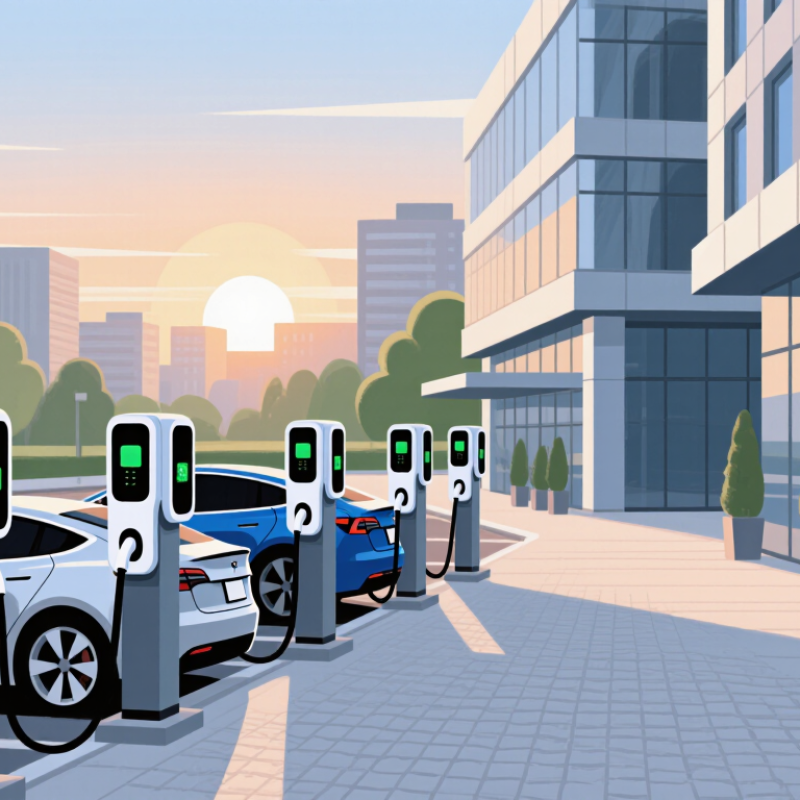
Understanding Electric Car Chargers for Business Use
An electric car charger for business use is more than a wall-mounted power unit. It becomes part of daily operations, employee experience, and site safety. A suitable system should match vehicle demand, parking duration, available electrical capacity, and future growth. A small office may need overnight charging, while a delivery site may require faster service between shifts. The difference matters.
In practical site assessments, many businesses underestimate peak demand. Several vehicles charging together can strain an existing electrical system. Load management can reduce this pressure by distributing power intelligently. Qualified electricians should inspect cabling, protection devices, earthing, and installation conditions. The charger should also provide clear status indicators and reliable records of energy use. Simple reporting helps businesses monitor costs and identify unusual consumption.
Location affects usability. A charger near the main entrance may be convenient, but it can create congestion during busy periods. Marked bays, weather protection, lighting, and accessible cable storage improve everyday use. Maintenance should include connector checks, software updates, cleaning, and prompt fault reporting. Small details count.
However, no setup is perfect. Usage patterns can change after installation, and early assumptions may prove wrong. Reviewing charging data after several months allows a business to adjust power settings, parking rules, or the number of charging points with better evidence.
Assessing Your Business’s Charging Needs and Site Requirements
Why Choose an Electric Car Charger for Your Business?
Assessing your business’s charging needs starts with real vehicle patterns, not assumptions. Count employee cars, fleet vehicles, visitor demand, and daily driving distances. Record arrival and departure times for two typical weeks. The first estimate is rarely right. The International Energy Agency reported nearly 14 million electric cars were sold globally in 2023. It also reported that public charging points grew by more than 40% that year. Your site may soon serve more drivers than expected.
Electrical capacity is equally important. Review your building’s service rating, spare circuit capacity, cable routes, parking layout, and distance to the switchboard. A charger near the entrance may look practical, yet it can create pedestrian risks or costly trenching. Load management can reduce peak demand, but it needs accurate data and professional design. The U.S. Department of Energy’s Alternative Fuels Data Center recommends evaluating charging levels, connector access, installation costs, and maintenance requirements. Do not size equipment only for today. However, oversizing can waste capital when utilization remains low.
Tips: Begin with a usage survey. Test two parking spaces first. Leave room for expansion. Ask a qualified electrical professional to verify capacity and protection requirements. Track charging sessions after installation. Then adjust operating rules, pricing, or access. A charger can sit unused. That is a business lesson, not a technical failure. DC charging may suit high-mileage fleets, while slower charging often fits offices with long parking periods. Site evidence should decide.
Why Choose an Electric Car Charger for Your Business?
Assessing charging power helps businesses match charger selection with parking duration, expected vehicle turnover, and available electrical capacity.
AC chargers are generally suited to workplaces, hotels, and long-stay parking, while DC fast chargers support higher vehicle turnover. Actual site demand depends on utilization, simultaneous charging, local electrical capacity, and load-management settings.
Comparing Charger Types, Speeds, and Power Options
Why Choose an Electric Car Charger for Your Business?
Choosing a charger starts with understanding how vehicles use your site. AC Level 2 chargers suit offices, hotels, and retail locations where cars remain parked for hours. They usually deliver steady power without demanding extreme electrical upgrades. DC fast chargers work better for taxis, delivery fleets, and busy roadside facilities. However, faster charging can create higher installation and maintenance costs. I once assumed faster was always better. It was not.
Charging speed depends on vehicle limits, battery size, and available site power. A 7-kilowatt unit may add roughly 30 to 45 miles during several hours of parking. A 22-kilowatt unit can shorten that window, but the building must support three-phase power. DC equipment may provide much more energy in minutes, though demand charges can affect operating costs. Check connector compatibility, circuit capacity, ventilation, and local electrical requirements before purchasing. A rushed assessment can leave expensive equipment underused.
Tips:
Track arrival times for two weeks. Note typical parking duration and daily energy needs. Leave capacity for future vehicles, but avoid overbuilding today. Smart load management can share power across chargers when several cars connect together. Test the payment process and cable reach in real conditions. Small details matter. Recheck your assumptions after the first month.
Evaluating Costs, Incentives, and Long-Term Savings
For a business, an electric car charger is a capital investment, not simply a parking upgrade. Hardware, electrical upgrades, installation, software, and maintenance can create a significant first-year cost. The U.S. Department of Energy reports that workplace charging can support electric vehicle adoption by reducing daily charging barriers. In practice, a charger near the entrance may also improve employee convenience and visitor experience.
Incentives can change the calculation. The U.S. Internal Revenue Service states that eligible businesses may claim a credit for alternative-fuel refueling property, with higher benefits possible when labor requirements are met. Location rules also apply. They must be checked carefully. The International Energy Agency reported nearly 14 million electric car sales worldwide in 2023, showing that charging demand is moving beyond early adopters. A small site today may need more capacity later.
Long-term savings depend on utilization, electricity tariffs, demand charges, and vehicle turnover. The U.S. Department of Energy’s Alternative Fuels Data Center notes that electricity prices vary widely by region and charging schedule. Smart charging during lower-cost hours can reduce operating expenses. Fleet managers should compare five-year electricity, fuel, maintenance, and financing costs. Maintenance savings are real, but they are not unlimited. Chargers can fail, cables wear, and network fees accumulate. A careful pilot may be wiser than installing too many ports at once. Industry forecasts can encourage optimism, yet local driving patterns should decide the final investment.
Why Choose an Electric Car Charger for Your Business? - Evaluating Costs, Incentives, and Long-Term Savings
| Evaluation Area | Business Metric | Illustrative Planning Data | Five-Year Financial Effect | Business Relevance |
|---|---|---|---|---|
| Initial Investment | AC Level 2 charger hardware | $2,000–$7,000 per charging port | Capital cost incurred in Year 1 | Suitable for offices, retail locations, hotels, and employee parking where vehicles remain parked for several hours. |
| Initial Investment | Electrical work and installation | $3,000–$12,000 per port | Capital cost incurred in Year 1 | Costs depend on panel capacity, trenching, conduit length, permitting, and the distance to the installation point. |
| Operating Cost | Network, payment, and software services | $150–$600 per port per year | $750–$3,000 over five years | May support user authentication, usage reporting, access control, pricing, and remote monitoring. |
| Operating Cost | Routine maintenance | $100–$400 per port per year | $500–$2,000 over five years | Includes inspections, connector replacement, firmware support, signage, and minor repairs. |
| Energy Cost | Commercial electricity price | $0.12–$0.20 per kWh | Varies with tariff, demand charges, and charging schedule | Off-peak charging, load management, and time-of-use tariffs can reduce electricity expenses. |
| Energy Cost | Typical electric vehicle consumption | Approximately 0.25–0.35 kWh per mile | At $0.16/kWh: about $0.04–$0.06 per mile | Actual consumption changes with vehicle size, weather, speed, payload, and heating or cooling use. |
| Fuel Comparison | Comparable gasoline vehicle energy cost | 25 mpg at $3.50 per gallon = $0.14 per mile | Potential energy saving of approximately $0.08–$0.10 per mile | Energy savings are higher when electricity prices are low or gasoline prices are high. |
| Fleet Example | Annual driving distance | 15,000 miles per vehicle | 75,000 miles over five years | Useful benchmark for estimating operating savings for a regularly used company vehicle. |
| Fleet Example | Estimated annual energy savings | About $1,200–$1,500 per vehicle | $6,000–$7,500 over five years | Based on the energy assumptions above and excluding taxes, financing, and vehicle purchase differences. |
| Incentives | Utility, local, or regional support | May cover part of equipment, installation, or make-ready work | Can reduce upfront project cost | Eligibility, funding limits, labor rules, application timing, and qualifying locations vary by jurisdiction. |
| Tax Treatment | Business charging-infrastructure tax relief | Availability depends on current law and project location | Potential reduction in after-tax cost | Businesses should confirm current requirements with a qualified tax professional before including benefits in a budget. |
| Revenue Potential | Paid charging sessions | $0.20–$0.40 per kWh or a time-based fee | May offset electricity, software, and maintenance costs | Pricing should account for electricity rates, transaction fees, taxes, idle time, and local competition. |
| Utilization | Recommended minimum utilization target | Approximately 20%–30% of available charging time | Improves payback potential | Shared workplace, residential, fleet, and customer-facing use can increase charger utilization. |
| Five-Year Example | One-port project before incentives | Approximately $5,000–$19,000 installed | Payback commonly depends on utilization and driving volume | Lower-cost sites with consistent fleet or employee demand generally achieve better financial results. |
| Strategic Value | Employee and customer experience | Convenient workplace or destination charging | May improve retention, dwell time, and customer satisfaction | Non-financial benefits can be significant even when direct charging revenue is limited. |
| Environmental Impact | Tailpipe emissions | Battery-electric vehicles produce no tailpipe exhaust | Supports fleet-electrification and sustainability goals | Total emissions depend on vehicle manufacturing, electricity generation, battery size, and vehicle use. |
Planning assumptions: Figures are illustrative U.S. commercial-planning ranges rather than quotations. Actual results vary by site design, local electricity tariffs, vehicle efficiency, charging behavior, permitting, utilization, and applicable incentives.
Example energy comparison: An electric vehicle using 0.30 kWh per mile at $0.16/kWh costs approximately $0.048 per mile. A gasoline vehicle achieving 25 miles per gallon at $3.50 per gallon costs approximately $0.14 per mile.
Financial scope: The comparison excludes vehicle purchase prices, financing, depreciation, insurance, taxes, demand charges, and residual values.
Planning Installation, Maintenance, and Customer Access
Why Choose an Electric Car Charger for Your Business?
Planning a charger installation requires more than finding an empty wall. A qualified electrician should assess the building’s electrical capacity, cable routes, ventilation, and parking layout. Local electrical codes and accessibility requirements also matter. A clear site survey can prevent expensive changes later. The charger needs room to breathe.
Consider how drivers will use the equipment during busy hours. Set visible parking rules, charging time limits, and simple payment instructions. Customer access should remain practical for people with mobility needs. Clear lighting helps drivers connect cables safely after sunset. A digital access system may track usage, but it must protect customer information. Small details shape trust.
Maintenance deserves a written plan, not a vague promise. Inspect cables, plugs, wall mounts, emergency shutoffs, and protective covers regularly. Record faults with dates, photos, and repair actions. Remote monitoring can reveal repeated errors before customers complain. Still, technology is not perfect. Staff need basic training and a human contact for urgent problems. A charger that works today may struggle during winter demand or a future building expansion. Reviewing usage every few months helps the business adjust capacity and pricing. I would also leave spare space in the electrical design, even when the current budget feels tight. That choice can look unnecessary at first. Later, it may prevent disruption.
Related Posts
-
10 Best EV Charger Stations for Global Buyers
-
China Top 10 EV Charger Manufacturers for Global Buyers
-
10 Best EV Charging Stations for Businesses in 2026
-
Top 10 Ac Ev Chargers in China for Global Buyers?
-
Best AC Wall EV Charge Station for Global Buyers?
-
China Top EV Charger Station Manufacturers How to Choose?