7 Best Wall EV Charge Stations for Global Buyers?
Electric vehicle adoption is moving from early adopters into everyday households. The International Energy Agency reported nearly 14 million electric car sales worldwide in 2023, with more than 40 million electric cars on the road by year-end. Its Global EV Outlook 2024 also recorded over four million public charging points globally. Yet many drivers still charge at home, where convenience, safety, and installation quality matter most.
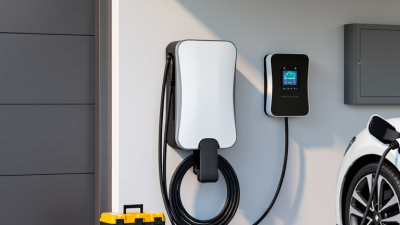
This guide reviews seven leading Wall Ev Charge Station options for global buyers. The comparison considers charging power, connector compatibility, network features, weather resistance, safety certifications, and installation flexibility. A 7.4 kW unit may suit overnight charging in Europe, while an 11 kW or 22 kW model can better serve properties with suitable three-phase electricity. However, vehicle limits and local grid capacity can reduce real-world performance.
Standards matter more than impressive numbers. IEC 61851 supports safe conductive charging, while ISO 15118 enables advanced communication between compatible vehicles and chargers. The Open Charge Alliance also promotes OCPP, which can improve software interoperability. Buyers should verify regional approvals, including CE, UKCA, UL, or equivalent certifications. Installation should be assessed by a qualified electrician, not judged from an online specification sheet.
No ranking is perfect. Some products excel in cold climates, while others offer stronger applications or simpler controls. Pricing, warranty support, cable length, and replacement access can change the decision. This review uses manufacturer information, international standards, and industry reports to provide a practical starting point. Check local requirements carefully.
What Makes a Wall-Mounted EV Charger Suitable for Global Buyers
A wall-mounted EV charger suits global buyers when it handles different homes, climates, and electrical systems. The IEA Global EV Outlook 2024 reported more than 14 million electric car sales in 2023. That growth makes compatibility less optional. A suitable unit should support regional voltage ranges, common AC connector standards, and certified protection devices. IEC 61851 compliance is a useful baseline. However, certification alone does not guarantee easy installation.
Look beyond charging speed. A 7.4 kW single-phase charger may fit many homes, while 11 kW or 22 kW systems require compatible three-phase supply. The difference matters. Smart load management can reduce household overload when an oven, heat pump, and charger run together. According to the IEA, home charging remains central in markets with private parking. Buyers should also check IP ratings, operating temperatures, residual-current protection, and cable durability. Dusty garages and freezing driveways reveal weaknesses quickly.
Software is another global test. OCPP support, multilingual controls, remote diagnostics, and local charging schedules improve usability across regions. Deloitte’s 2024 Global Automotive Consumer Study found that charging convenience remains a major concern for prospective EV buyers. Still, an attractive app is not proof of reliability. I would verify offline operation, data handling, warranty coverage, and installer support before purchasing. Some specifications look impressive but are poorly explained. That deserves skepticism. A strong wall charger should be safe, serviceable, and adaptable, not merely fast.
Key Features to Compare in International EV Charging Stations
When comparing wall EV charging stations for global use, check compatibility before power. Connector types vary across regions and vehicle models. Input voltage also matters, especially in homes with older electrical systems. A qualified electrician should confirm circuit capacity and grounding requirements before installation. High output sounds attractive, but many households cannot use it safely.
Look for recognized safety testing, weather protection, and temperature control. An outdoor unit should resist rain, dust, and winter moisture. Clear fault alerts can prevent confusion during charging. Useful stations also support load management, so charging does not overload kitchen appliances or heating systems. Software should offer stable updates, understandable settings, and practical access controls. International buyers should also review warranty coverage, replacement parts, and technical support in their region.
Tips: Compare real charging speed, not only the advertised maximum. Check cable length beside your parking space. Test the mobile connection near the installation point. I have seen buyers ignore this detail, then struggle with weak signals. That mistake is avoidable. Also inspect the manual for local language support, emergency instructions, and maintenance guidance. A lower-priced station may become expensive if installation is difficult or support is unavailable. Reliable documentation is not exciting, but it often reveals how seriously a manufacturer treats safety.
7 Best Wall EV Charge Stations for Global Buyers
Key features to compare in international EV charging stations include nominal AC output, supply voltage, phase configuration, current rating, connector compatibility, safety protection, connectivity, and installation requirements.
How to read this chart: The figures show common nominal maximum outputs for wall-mounted AC charging configurations used in different markets. Actual charging speed depends on the vehicle’s onboard charger, electrical installation, local regulations, and available grid capacity.
Seven Leading Wall-Mounted EV Charge Stations by Use Case
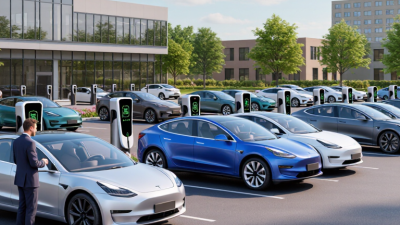
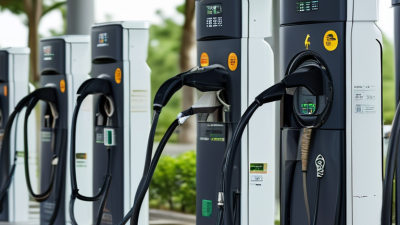
Global buyers need wall-mounted EV chargers matched to real operating conditions. The IEA’s Global EV Outlook 2024 reported more than four million public charging points worldwide by the end of 2023. Public charging growth exceeded 40% that year. Demand is spreading quickly, but installation environments differ sharply.
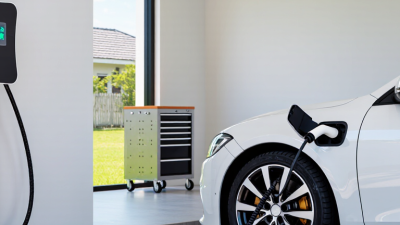
For detached homes, a compact 7–11 kW station suits overnight charging.
Apartment garages need access control, individual billing, and dynamic load management.
Workplace sites benefit from scheduled charging and lower-power sharing.
Hotels and retail locations need weather protection, simple payment, and clear status lighting.
Fleet depots require durable 22 kW units, remote monitoring, and reliable cable management.
Rural properties should prioritize broad voltage compatibility and stable offline operation.
Solar-equipped homes need chargers that respond to surplus generation without overloading the connection.
These are seven practical use cases, not seven identical products. IEC 61851 compatibility, residual-current protection, and suitable IP ratings deserve careful verification. The U.S. Department of Energy’s Alternative Fuels Data Center also emphasizes connector compatibility, electrical capacity, and network reliability during site planning. Those details sound technical. They prevent expensive surprises.
A wall charger can look impressive in a brochure and still perform poorly in a cold garage. I would not trust claimed power alone. Cable length, standby consumption, software support, and local service matter just as much. Some buyers may also overestimate solar charging speed. Winter conditions can expose that mistake quickly.
Regional Compatibility, Safety Standards, and Installation Requirements
Choosing among the seven best wall EV charge stations requires more than comparing charging speed. Regional compatibility comes first. A station must match the vehicle’s inlet, local voltage, frequency, and grid design. Type 2 connections are common in Europe, while Type 1 remains widely used in North America. Other markets may require different connector systems. Check the vehicle manual and socket dimensions carefully.
Safety certification also varies by region. Look for recognized testing under relevant standards, such as IEC 61851, IEC 62196, or applicable national requirements. Built-in residual-current protection can reduce shock risks, but it does not replace correct household protection. A weather-resistant enclosure matters for outdoor walls. So does reliable temperature monitoring. Cheap plastic can become brittle under strong sunlight. That detail is easy to miss.
Installation should follow a qualified local electrician’s assessment. The electrician should inspect cable size, earthing, breaker capacity, and the property’s maximum load. A 22 kW station may sound attractive, yet many homes cannot support it without electrical upgrades. A lower-rated unit can be safer and more practical. Keep the cable away from vehicle paths and standing water. Leave enough wall clearance for ventilation and maintenance. Local permits may also be required. Installation guides sometimes assume ideal wiring, which is rarely the case. Test the unit after installation, record the settings, and review them after future electrical changes.
How to Choose the Best Wall EV Charger for Your Needs
Choosing the best wall EV charger starts with your daily driving pattern, not its screen or cable length. A 7 kW unit suits many home users, while higher output may require a stronger electrical supply. Check your vehicle’s charging limit before paying for extra power. More capacity is not always better.
Confirm the connector standard used by your car and region. Then inspect the charger’s safety certification, weather protection, and operating temperature range. A garage model may not survive heavy rain or coastal humidity. Look for adjustable current settings, ground-fault protection, and scheduled charging. These features can reduce household load during busy evening hours. Installation should be completed by a qualified electrician who can assess wiring, breakers, and earthing. In practice, a neat cable holder matters more than expected. A loose cable can become a trip hazard.
Tips: Measure your parking distance first. Check Wi-Fi strength near the wall. Read the warranty carefully. Ask who handles repairs locally. Test the emergency shut-off procedure before regular use. Do not ignore the app’s data permissions; convenience sometimes hides unnecessary access. I once focused too much on charging speed and overlooked cable flexibility in cold weather. That was a useful mistake. A charger should fit your vehicle, home, climate, and routine, not merely win a specification table.
7 Best Wall EV Charge Stations for Global Buyers? - How to Choose the Best Wall EV Charger for Your Needs
| Configuration |
Typical Output |
Electrical Supply |
AC Connector Standard |
Approx. Range Added per Hour* |
Recommended Use |
Key Selection Requirements |
| 1. Compact Home Charger |
3.6–7.4 kW |
Single-phase, 16–32 A
220–240 V |
Type 2 or SAE J1772, depending on region |
Approximately 18–37 km |
Overnight charging for apartments and small homes |
Confirm circuit capacity, connector compatibility, cable length, and residual-current protection. |
| 2. Standard European Home Charger |
11 kW |
Three-phase, 16 A
380–415 V |
IEC 62196 Type 2 |
Approximately 55 km |
Daily charging for homes with three-phase power |
Check whether the vehicle supports 11 kW AC charging and whether three-phase service is available. |
| 3. High-Power Three-Phase Charger |
22 kW |
Three-phase, 32 A
380–415 V |
IEC 62196 Type 2 |
Approximately 110 km |
Commercial sites, fleets, and vehicles with 22 kW onboard chargers |
Verify vehicle acceptance, site load capacity, cable thermal rating, and local electrical approval. |
| 4. North American Level 2 Charger |
7.2–7.7 kW |
Single-phase, 30–32 A
208–240 V |
SAE J1772 |
Approximately 29–38 km |
Residential garages and workplaces in North America |
Use a dedicated branch circuit and verify the required breaker, hardwired or plug-in installation method. |
| 5. Faster North American Home Charger |
9.6–11.5 kW |
Single-phase, 40–48 A
240 V |
SAE J1772 or vehicle-specific connector |
Approximately 48–58 km |
Large-battery EVs requiring shorter overnight charging times |
Confirm the vehicle’s maximum AC input and allow for continuous-load requirements under local codes. |
| 6. Connected Smart Wall Charger |
7.4–22 kW |
Single- or three-phase
16–32 A |
Type 2 or SAE J1772 |
Approximately 35–110 km |
Users who need scheduling, energy monitoring, or dynamic load management |
Look for Wi-Fi or Ethernet, tariff scheduling, user authentication, load balancing, and OCPP support where required. |
| 7. Outdoor and Fleet-Oriented Charger |
11–22 kW |
Three-phase, 16–32 A
380–415 V |
IEC 62196 Type 2 or regional equivalent |
Approximately 55–110 km |
Hotels, workplaces, parking facilities, and light-duty fleets |
Prioritize IP54 or higher enclosure protection, IK08 or higher impact resistance, temperature tolerance, RFID access, and serviceability. |
*Range estimates assume approximately 5 km of driving range per kWh of delivered AC energy. Actual results vary by vehicle efficiency, battery temperature, charging losses, and the vehicle’s onboard AC charger.