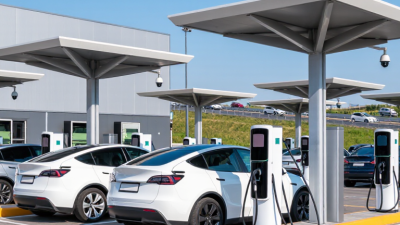

Wall Mounting EV Charge Station
How to Choose the Right EV Charging Station?
Choosing the right Ev Charging Station starts with how and where you drive. A commuter covering 40 miles each day has different needs from a family planning long road trips. Match the charger’s connector and power level to your vehicle’s specifications. A higher charging rate is not always useful if your car cannot accept it.
For home use, consider your parking space, electrical capacity, cable length, and installation requirements. Picture the cable reaching your car without crossing a walkway or stretching around a garage door. If you rent or share parking, ask about permission and access before comparing products. At public stations, check local availability, charging speed, payment options, and whether the network has reliable support. Small details matter.
Safety and build quality deserve more attention than flashy app features. Look for clear product documentation, suitable weather protection for the installation location, and a warranty backed by an identifiable manufacturer. A qualified electrician can assess whether your existing circuit needs changes. Costs can vary, so request an itemized estimate rather than relying on a broad online figure.
It is easy to overvalue maximum speed. Yet compatibility, dependable operation, and convenient placement often matter more in everyday use. And needs change. A charger that suits one household may feel limiting after a new vehicle or a move. Compare real driving habits, installation conditions, and ongoing costs before deciding. That gives you a practical basis for choosing, though no checklist can predict every inconvenience.
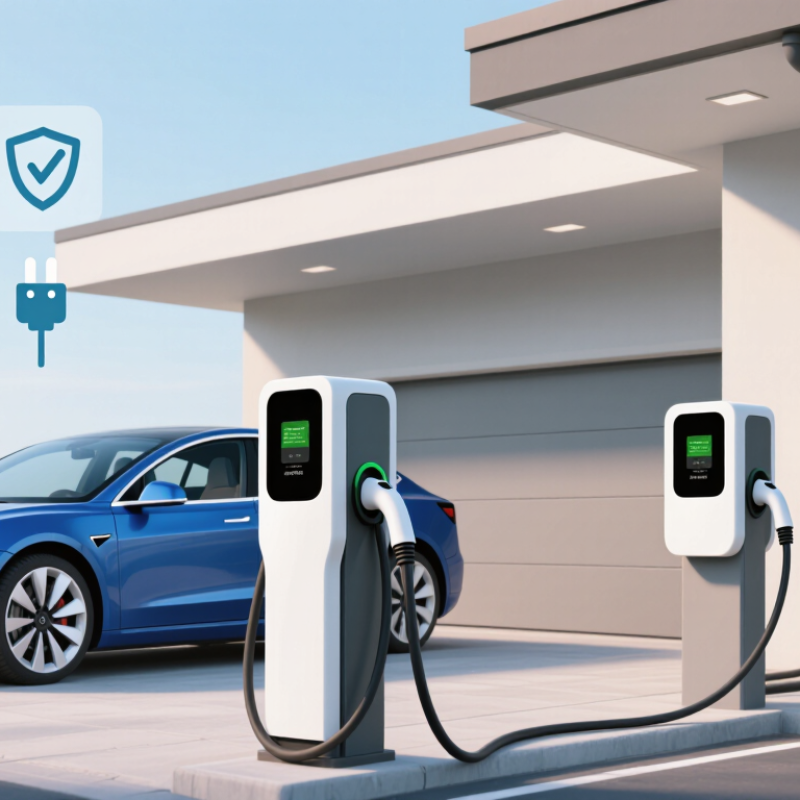
Understand EV Charging Levels, Connectors, and Compatibility
Choosing an EV charging station starts with understanding its charging level. Level 1 uses a standard household outlet and usually adds range slowly. Level 2 needs suitable electrical supply and is common for overnight home charging. DC fast charging can add substantial range during a trip, but charging speed depends on the vehicle, battery conditions, and station output. More power is not always more useful.
Compatibility matters just as much. Check your vehicle manual for its connector type and maximum AC or DC charging rate. Then compare that information with the station’s plug and rated output. Connector standards can vary by vehicle and region, so avoid assuming that every plug will fit. Even when a connector matches, an onboard charger or battery limit may reduce the actual charging speed. I would not choose by peak speed alone; the time available and where you park matter too. Small details count.
Tips: Before buying or visiting, confirm connector compatibility, electrical requirements, cable reach, and any adapter guidance from the vehicle maker. At home, measure the distance from the parking spot to the intended charger location. A quick check can prevent an inconvenient surprise.
Assess Your Vehicle, Driving Habits, and Charging Location
Start with your vehicle. Check its charging port, onboard AC limit, and ability to accept DC fast charging. A high-powered station cannot make a car charge faster than its own hardware allows. The U.S. Department of Energy’s Alternative Fuels Data Center lists Level 1 charging at about 2–5 miles of range per hour. Level 2 typically provides 10–20 miles per hour, though results vary by vehicle and conditions. Treat these as planning ranges, not promises. A cold morning can change the picture.
Then consider your routine and parking. If you drive modest distances and park overnight, home Level 2 charging may cover most daily needs. Renters and drivers without reliable home parking should check chargers near work and along regular routes. The IEA’s Global EV Outlook 2024 reports that public charging points grew by over 40% in 2023. That growth does not guarantee a nearby, available plug. Check local maps. Measure cable reach, parking time, electrical capacity, and weather exposure before choosing a location. I’d leave a little buffer; real charging times are less tidy than spec sheets suggest. Confirm compatibility and installation needs with your vehicle manual and a qualified electrician.
How to Choose the Right EV Charging Station?
Assess your vehicle, driving habits, and charging location.
Charging power varies by equipment, electrical supply, and vehicle limits. Match the station to your vehicle’s AC or DC charging capability, how far you typically drive, and where you can conveniently charge. For many drivers, home Level 2 charging is a practical everyday option; public DC fast charging is useful for longer trips.
Compare Charging Speed, Power Requirements, and Features
How to Choose the Right EV Charging Station?
Charging speed depends on both the station and your vehicle. A 240-volt home charger can add range much faster than a standard household outlet, but the car’s onboard charger sets a limit. Public DC fast chargers can deliver higher power on compatible vehicles.
Faster is not always necessary. Consider your daily mileage and parking time: an overnight charge may suit a short commute, while frequent long trips call for quicker access.
Check your home’s electrical capacity before choosing a charger. The circuit, wiring, and electrical panel must support its power level; have a qualified electrician assess them. A powerful unit may offer little benefit if your vehicle cannot accept that rate.
Look at practical features, too: cable length, weather protection, scheduled charging, and load management can affect everyday use. Smart controls are handy, but they add complexity.
Think about where the cable will reach in your driveway, especially when another car is parked nearby. It is easy to overlook that detail. Compare the full setup, not just the advertised speed.
Evaluate Installation Needs, Safety Standards, and Total Cost
How to Choose the Right EV Charging Station?
A suitable charger must fit your home’s electrical capacity, parking layout, and daily driving. The U.S. Department of Energy’s Alternative Fuels Data Center says Level 2 equipment uses 208- or 240-volt power and can add roughly 10 to 20 miles of range per charging hour. Check your panel rating and cable route before choosing a unit. A charger near the garage door may seem convenient, but a short cable can become awkward when the car is parked outside.
Safety needs more than a weatherproof casing. Ask an electrician to check grounding, circuit capacity, and the need for a dedicated circuit. In the United States, look for equipment certified to relevant safety standards, such as UL 2594, and confirm installation follows applicable electrical codes. Small details matter. A neat installation can still leave a cable crossing a walkway.
Compare the full installed cost, not just the charger’s price. Request an itemized quote covering wiring, panel upgrades, permits, and any trenching through a driveway. The International Energy Agency’s Global EV Outlook 2024 reports that public charging points grew by more than 40% worldwide in 2023, reflecting rising demand but not guaranteeing a fit for every home. Utility rates and charging schedules also affect long-term costs. Estimates can miss surprises; an older panel may change the numbers. That deserves a second look.
Select a Charger That Meets Your Current and Future Needs
How to Choose the Right EV Charging Station?
Select a Charger That Meets Your Current and Future Needs
Start with how you actually charge. If your car sits in a garage overnight, a home charger with moderate output may cover most daily driving. Check your vehicle’s maximum AC charging rate first; buying a higher-powered unit will not make a car accept energy faster. Also ask an electrician to assess your panel and wiring. A charger that fits your parking spot but overloads the available circuit is no bargain.
Leave room for change. You may replace your car, add a second EV, or need quicker charging between trips. The International Energy Agency’s Global EV Outlook 2024 reports that public charging points worldwide topped four million in 2023, up 40% in one year. That growth reflects wider charging needs, but it does not mean every household needs the fastest unit. Think about cable reach, weather exposure, smart scheduling, and whether the unit can be upgraded. Small details matter. A cable that barely reaches the driveway can become irritating every night.
Compare total installation cost, not just the charger’s price. The U.S. Department of Energy’s Alternative Fuels Data Center notes that charging time depends on both the vehicle and charging equipment. Get a site-specific quote before choosing amperage, especially if your electrical panel is already busy. I’d avoid buying capacity “just in case” without checking future vehicle compatibility and installation limits. Forecasts are imperfect, and household needs change. Choose a setup that works today and can adapt without expensive rework.
How to Choose the Right EV Charging Station? - Select a Charger That Meets Your Current and Future Needs
| Charging Option | Typical Power | Approximate Range Added per Hour | Installation and Cost Factors | Best Suited For | Future-Readiness Considerations |
|---|---|---|---|---|---|
| Level 1 AC Standard household outlet |
About 1.4 kW at 120 V and 12 A | About 3–5 miles (5–8 km) | Often uses an existing grounded outlet; a qualified electrician should assess the circuit and outlet condition before regular use. | Drivers with low daily mileage, long parking periods, or no practical access to faster charging. | Low upfront cost, but may not keep up with higher daily mileage or a second EV. |
| Level 2 AC Moderate-power home or workplace charger |
Commonly 7.2–9.6 kW at 240 V; exact output depends on circuit and vehicle limits | About 20–30 miles (32–48 km) | Usually requires a dedicated 240 V circuit. Installation cost depends on panel capacity, wiring distance, and any electrical upgrades. | Most home users who want convenient overnight charging and a reliable daily charge routine. | Consider a unit with adjustable current, scheduled charging, and a power rating your electrical service can support. |
| Higher-power Level 2 AC For compatible vehicles and electrical services |
Up to about 11.5 kW at 240 V and 48 A | About 30–40 miles (48–64 km) | Typically needs a dedicated circuit rated for the charger and may require a substantial electrical panel capacity. | Drivers with higher mileage, multiple household users, or vehicles that can accept higher AC charging power. | Can offer more charging capacity, but a vehicle’s onboard AC charger may limit the actual charging rate. |
| Public DC fast charging Direct-current charging |
Commonly 50–350 kW; the vehicle and station determine the actual rate | Highly variable; often roughly 100–200 miles (160–320 km) in 20–30 minutes under favorable conditions | Requires specialized high-power equipment and is generally installed at public or commercial sites rather than typical homes. | Long-distance travel, quick top-ups, and drivers without dependable home charging. | Check vehicle connector compatibility and maximum DC charging rate. Charging speed usually tapers as the battery fills and can vary with temperature and battery condition. |
| Smart or load-managed Level 2 Charging with scheduling or current control |
Often 7.2–11.5 kW, subject to the installation and vehicle | About 20–40 miles (32–64 km) | May require compatible electrical equipment, connectivity, or an electrician-configured load-management system. | Homes with time-of-use electricity rates, limited panel capacity, or more than one EV. | Useful when planning for another EV or other large electrical loads; confirm that controls and connectivity meet your needs. |
Note: Examples reflect common North American charging setups. Range estimates are approximate and assume an EV efficiency of about 3 miles per kWh; actual results vary by vehicle, weather, driving conditions, battery state, and charging losses. Have a qualified electrician verify circuit capacity and local code requirements before installation.
Related Posts
-
China Top EV Charger Station Manufacturers How to Choose?
-
China Top 10 EV Charger Station Suppliers?
-
10 Best EV Charging Stations for Businesses in 2026
-
2026 Top AC Wall EV Charge Stations for Global Buyers
-
7 Tips for Choosing the Best Wall EV Charge Station?
-
7 Best Wall EV Charge Stations for Global Buyers?